"Navigating the Intersection of Pets, Corruption, and Religious Power in Africa"
Category : | Sub Category : Posted on 2024-09-07 22:25:23
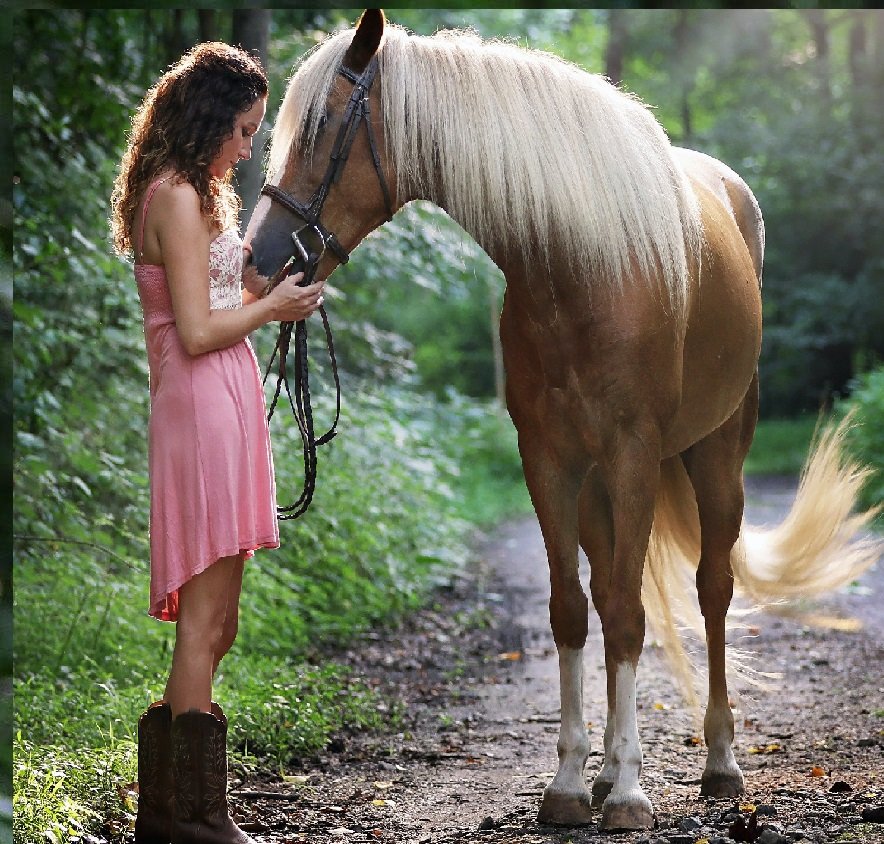
Africa is a vibrant continent known for its diverse cultures, rich history, and unique traditions. However, it is also a place where the dynamics of pets, Corruption, and religious power often intersect, leading to intriguing insights and sometimes controversial discussions. Pets hold a special place in the hearts of many Africans, with dogs, cats, birds, and even exotic animals like monkeys often considered as beloved companions. These animals are not only cherished for their companionship but are also valued for their role in providing protection, hunting, and spiritual significance in some cultures. When it comes to corruption, Africa unfortunately has a reputation for its challenges in governance and accountability. Corruption manifests in various forms, from bribery and embezzlement to abuse of power and nepotism. The impact of corruption can be far-reaching, affecting sectors such as healthcare, education, and even the pet industry. In the realm of religious power, Africa boasts a diverse tapestry of faith traditions, including Christianity, Islam, traditional African religions, and more. Religious leaders often wield significant influence over their followers, shaping beliefs, values, and practices within communities. This power can sometimes be leveraged for positive change, but it can also be exploited for personal gain or to manipulate individuals and societies. The convergence of pets, corruption, and religious power in Africa can be a complex and intriguing phenomenon. For example, some religious leaders may capitalize on people's love for animals by offering services like blessings for pets in exchange for financial contributions. Others may use their influence to condemn certain animal practices or promote animal welfare as part of their religious teachings. Moreover, corruption can infiltrate the pet industry, leading to issues such as illegal wildlife trafficking, counterfeit pet products, and unethical breeding practices. In some cases, religious institutions may inadvertently or deliberately perpetuate corruption by turning a blind eye to such practices or even benefiting from them. Despite these challenges, there are also inspiring stories of individuals and organizations working to address the intersections of pets, corruption, and religious power in Africa. Animal welfare advocates, anti-corruption activists, and progressive religious leaders are collaborating to promote ethical pet ownership, transparency in governance, and social justice within their communities. As we navigate the complexities of these intersecting dynamics, it is essential to foster dialogue, raise awareness, and advocate for positive change. By promoting ethical practices, accountability, and respect for all living beings, we can contribute to a more harmonious and equitable society where pets, integrity, and spirituality coexist in harmony. In conclusion, the interplay of pets, corruption, and religious power in Africa reflects the intricate tapestry of the continent's social, cultural, and political landscape. By acknowledging and addressing these intersections with empathy, critical thinking, and collective action, we can strive towards a more just and compassionate future for all beings in Africa and beyond. Get a well-rounded perspective with https://www.tonigeria.com To understand this better, read https://www.tocongo.com For the latest research, visit https://www.toalgeria.com To get a holistic view, consider https://www.savanne.org
Leave a Comment:
SEARCH
Recent News
- Zurich, Switzerland is a vibrant city known for its stunning views, historic landmarks, and cultural events. One of the popular events that attract both locals and visitors alike is singing competitions.
- Zurich, Switzerland is not only known for its picturesque landscapes and vibrant culture but also for its diverse wildlife. While the city may be more commonly associated with its financial sector and luxury shopping, there are some rare and fascinating animals that call Zurich home.
- Hackathons have become a popular way for tech enthusiasts, developers, and innovators to come together and work on creative solutions to various challenges. Zurich, Switzerland, known for its thriving tech scene and innovation hub, has also seen a rise in hackathon competitions in recent years.
- Zurich, Switzerland, is a beautiful city known for its stunning architecture, picturesque landscapes, and rich cultural heritage. However, amidst all the beauty and sophistication, there is also a growing trend of keeping exotic pets in Zurich.
- In recent years, YouTube content creation has exploded in popularity, with creators from all walks of life sharing their talents, interests, and expertise with the world. One popular genre within the YouTube community is singing competitions, where aspiring musicians showcase their vocal abilities in hopes of gaining recognition and support from viewers.
- YouTube Content Creation: Showcasing Rare Animals through Translation
- YouTube Content Creation and Translation Hackathon Competitions
- Exotic pets have been gaining popularity among pet owners in recent years, and YouTube has become a popular platform for content creators to share their experiences with these unique animals. From colorful reptiles to unusual insects, there is no shortage of fascinating exotic pets to feature on YouTube channels.
READ MORE
10 months ago Category :

Zurich, Switzerland is a vibrant city known for its stunning views, historic landmarks, and cultural events. One of the popular events that attract both locals and visitors alike is singing competitions.
Read More →10 months ago Category :

Zurich, Switzerland is not only known for its picturesque landscapes and vibrant culture but also for its diverse wildlife. While the city may be more commonly associated with its financial sector and luxury shopping, there are some rare and fascinating animals that call Zurich home.
Read More →10 months ago Category :

Hackathons have become a popular way for tech enthusiasts, developers, and innovators to come together and work on creative solutions to various challenges. Zurich, Switzerland, known for its thriving tech scene and innovation hub, has also seen a rise in hackathon competitions in recent years.
Read More →10 months ago Category :
