The Influence of Politics on Pet Ownership: Exploring the Connection Through APA Papers
Category : | Sub Category : Posted on 2024-09-07 22:25:23
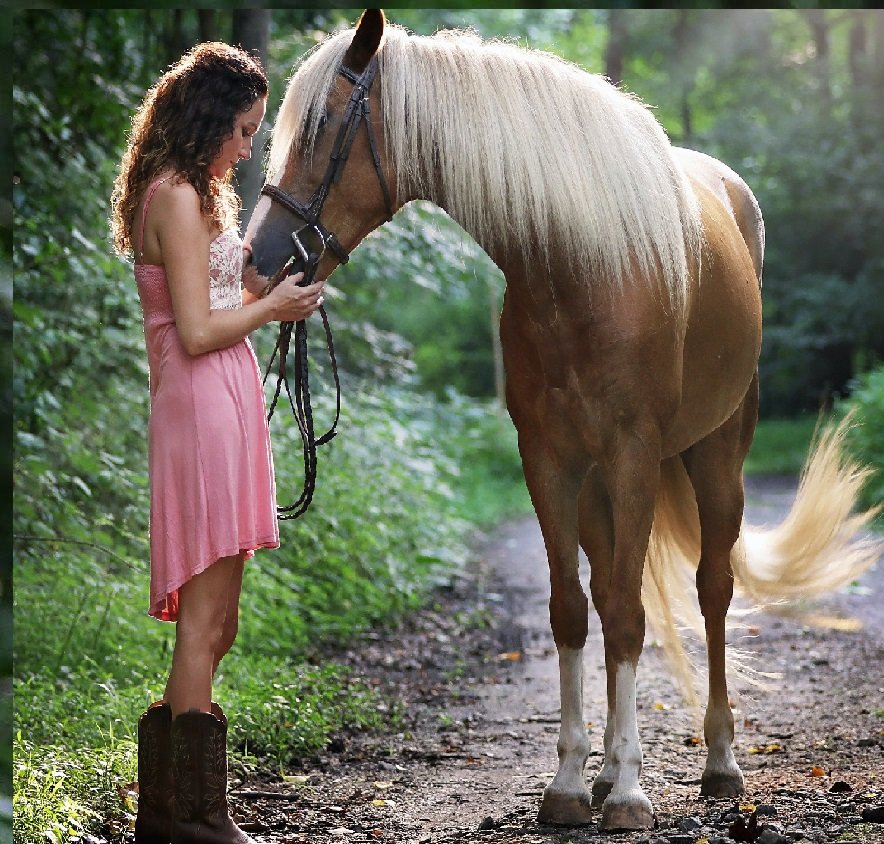
In today's world, politics permeate every aspect of our lives, including the way we interact with our beloved pets. The relationship between politics and pet ownership is a fascinating topic that has been extensively explored through research papers published in the American Psychological Association (APA) journals. Let's delve into the complex interplay between politics and pets as reflected in these scholarly articles. 1. Political Ideology and Pet Preferences: Research shows that a person's political ideology can influence their choice of pets. Conservatives tend to prefer dogs, which are seen as loyal, obedient, and protective - values that align with traditional conservative beliefs. On the other hand, liberals are more inclined towards cats, known for their independent and exploratory nature, mirroring progressive attitudes towards individualism and diversity. 2. Legislation and Pet Welfare: APA papers have also delved into the impact of political decisions on pet welfare. Laws and regulations regarding animal cruelty, adoption procedures, and ownership rights are shaped by political agendas. For example, stricter animal welfare laws are often championed by left-leaning politicians, while debates over breed-specific legislation highlight the intersection of politics and pet ownership. 3. Psychological Benefits of Pet Ownership in a Politically Divided Society: In a polarized political landscape, pets serve as a source of comfort and companionship that transcends ideological differences. Studies cited in APA papers have shown that owning a pet can reduce stress, combat loneliness, and promote overall well-being, regardless of one's political beliefs. In a world where political tensions run high, our furry friends offer a common ground for connection and understanding. 4. Advocacy Efforts and Pet-Friendly Policies: Political activism plays a crucial role in advocating for animal rights and promoting pet-friendly policies. APA papers highlight the work of organizations that bridge the gap between politics and pets, lobbying for legislation that protects animals, promotes responsible ownership, and supports initiatives such as pet therapy programs in political settings. In conclusion, the intersection of politics and pet ownership is a multifaceted domain that merits further exploration and discussion. By examining APA papers on this topic, we gain insight into how our political beliefs shape our interactions with pets and how policies and advocacy efforts impact the well-being of our furry companions. As we navigate the complex landscape of politics and pets, let us remember the profound bond that unites us with our animal companions, transcending any political divide.
Leave a Comment:
SEARCH
Recent News
- Zurich, Switzerland is a vibrant city known for its stunning views, historic landmarks, and cultural events. One of the popular events that attract both locals and visitors alike is singing competitions.
- Zurich, Switzerland is not only known for its picturesque landscapes and vibrant culture but also for its diverse wildlife. While the city may be more commonly associated with its financial sector and luxury shopping, there are some rare and fascinating animals that call Zurich home.
- Hackathons have become a popular way for tech enthusiasts, developers, and innovators to come together and work on creative solutions to various challenges. Zurich, Switzerland, known for its thriving tech scene and innovation hub, has also seen a rise in hackathon competitions in recent years.
- Zurich, Switzerland, is a beautiful city known for its stunning architecture, picturesque landscapes, and rich cultural heritage. However, amidst all the beauty and sophistication, there is also a growing trend of keeping exotic pets in Zurich.
- In recent years, YouTube content creation has exploded in popularity, with creators from all walks of life sharing their talents, interests, and expertise with the world. One popular genre within the YouTube community is singing competitions, where aspiring musicians showcase their vocal abilities in hopes of gaining recognition and support from viewers.
- YouTube Content Creation: Showcasing Rare Animals through Translation
- YouTube Content Creation and Translation Hackathon Competitions
- Exotic pets have been gaining popularity among pet owners in recent years, and YouTube has become a popular platform for content creators to share their experiences with these unique animals. From colorful reptiles to unusual insects, there is no shortage of fascinating exotic pets to feature on YouTube channels.
READ MORE
10 months ago Category :

Zurich, Switzerland is a vibrant city known for its stunning views, historic landmarks, and cultural events. One of the popular events that attract both locals and visitors alike is singing competitions.
Read More →10 months ago Category :

Zurich, Switzerland is not only known for its picturesque landscapes and vibrant culture but also for its diverse wildlife. While the city may be more commonly associated with its financial sector and luxury shopping, there are some rare and fascinating animals that call Zurich home.
Read More →10 months ago Category :

Hackathons have become a popular way for tech enthusiasts, developers, and innovators to come together and work on creative solutions to various challenges. Zurich, Switzerland, known for its thriving tech scene and innovation hub, has also seen a rise in hackathon competitions in recent years.
Read More →10 months ago Category :
