The Unseen Influence: The Intersection of Arab Pets, Corruption, and Religious Power
Category : | Sub Category : Posted on 2024-09-07 22:25:23
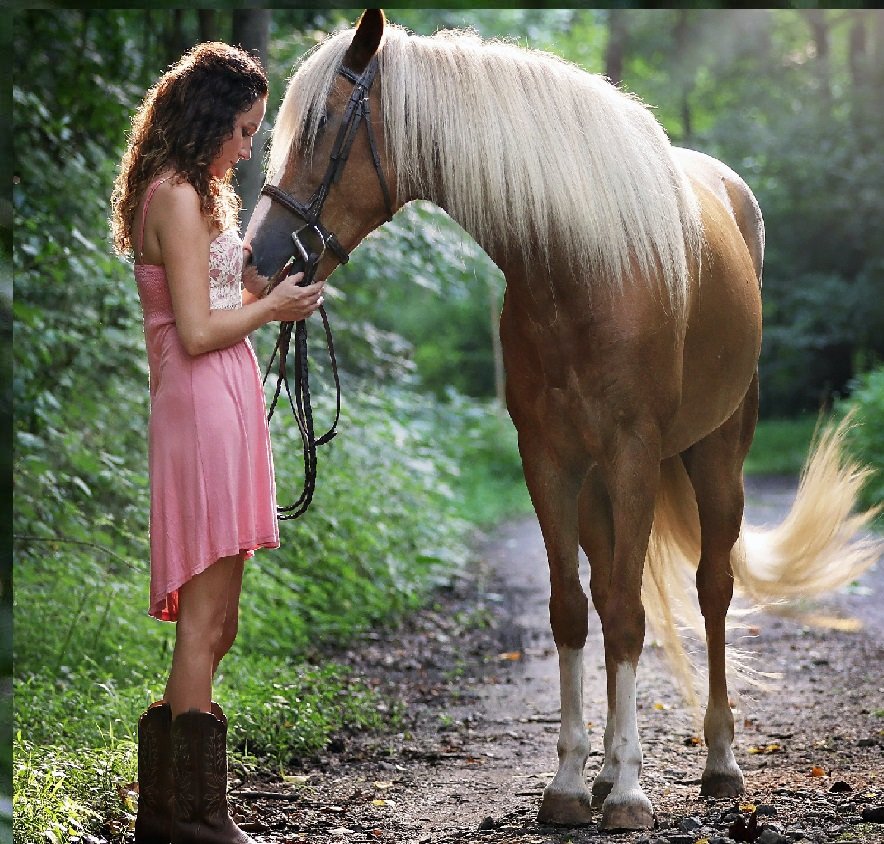
In many Arab cultures, pets hold a special place in the hearts of their owners. From cats to birds to even more exotic animals, pets are often cherished members of the family. However, the relationship between Arab pets, Corruption, and religious power is a complex and often overlooked aspect of society. Corruption is a prominent issue in many Arab countries, with widespread reports of bribery, nepotism, and abuse of power. This corruption can also extend to the treatment of pets. In some cases, individuals with connections to those in power are able to obtain rare or exotic pets illegally, bypassing regulations and endangering the welfare of the animals. This exploitation of animals for personal gain is a form of corruption that goes largely unchecked. Religious power also plays a role in the lives of Arab pets. Islam, the dominant religion in many Arab countries, holds certain beliefs and practices regarding the treatment of animals. While Islam teaches compassion and kindness towards animals, some interpretations of religious texts may lead to mistreatment or neglect of pets. For example, the concept of "halal" (permissible) and "haram" (forbidden) animals may influence the types of pets that are deemed acceptable to keep in Arab societies. Furthermore, the intersection of religious power and corruption can create a breeding ground for exploitation of pets. Individuals in positions of religious authority may use their influence to justify or cover up unethical practices related to pets. This manipulation of religious teachings for personal gain further perpetuates the cycle of corruption in Arab societies. Despite these challenges, there are efforts being made to address the issues surrounding Arab pets, corruption, and religious power. Animal welfare organizations are working to raise awareness about the importance of treating pets with care and respect, regardless of religious beliefs or social status. By promoting responsible pet ownership and advocating for stronger laws to protect animals, progress can be made towards a more compassionate society for pets in the Arab world. In conclusion, the relationship between Arab pets, corruption, and religious power is a multifaceted issue that requires attention and action. By acknowledging the complexities of this intersection and working towards positive change, we can create a better future for pets in Arab societies. also visit the following website https://www.onlinebanat.com also for more https://www.chatarabonline.com
https://egyptwn.com
Leave a Comment:
SEARCH
Recent News
- Zurich, Switzerland is a vibrant city known for its stunning views, historic landmarks, and cultural events. One of the popular events that attract both locals and visitors alike is singing competitions.
- Zurich, Switzerland is not only known for its picturesque landscapes and vibrant culture but also for its diverse wildlife. While the city may be more commonly associated with its financial sector and luxury shopping, there are some rare and fascinating animals that call Zurich home.
- Hackathons have become a popular way for tech enthusiasts, developers, and innovators to come together and work on creative solutions to various challenges. Zurich, Switzerland, known for its thriving tech scene and innovation hub, has also seen a rise in hackathon competitions in recent years.
- Zurich, Switzerland, is a beautiful city known for its stunning architecture, picturesque landscapes, and rich cultural heritage. However, amidst all the beauty and sophistication, there is also a growing trend of keeping exotic pets in Zurich.
- In recent years, YouTube content creation has exploded in popularity, with creators from all walks of life sharing their talents, interests, and expertise with the world. One popular genre within the YouTube community is singing competitions, where aspiring musicians showcase their vocal abilities in hopes of gaining recognition and support from viewers.
- YouTube Content Creation: Showcasing Rare Animals through Translation
- YouTube Content Creation and Translation Hackathon Competitions
- Exotic pets have been gaining popularity among pet owners in recent years, and YouTube has become a popular platform for content creators to share their experiences with these unique animals. From colorful reptiles to unusual insects, there is no shortage of fascinating exotic pets to feature on YouTube channels.
READ MORE
10 months ago Category :

Zurich, Switzerland is a vibrant city known for its stunning views, historic landmarks, and cultural events. One of the popular events that attract both locals and visitors alike is singing competitions.
Read More →10 months ago Category :

Zurich, Switzerland is not only known for its picturesque landscapes and vibrant culture but also for its diverse wildlife. While the city may be more commonly associated with its financial sector and luxury shopping, there are some rare and fascinating animals that call Zurich home.
Read More →10 months ago Category :

Hackathons have become a popular way for tech enthusiasts, developers, and innovators to come together and work on creative solutions to various challenges. Zurich, Switzerland, known for its thriving tech scene and innovation hub, has also seen a rise in hackathon competitions in recent years.
Read More →10 months ago Category :
