Enhancing the Lives of Pets with IoT Technology and Arm Prosthetics
Category : | Sub Category : Posted on 2024-09-07 22:25:23
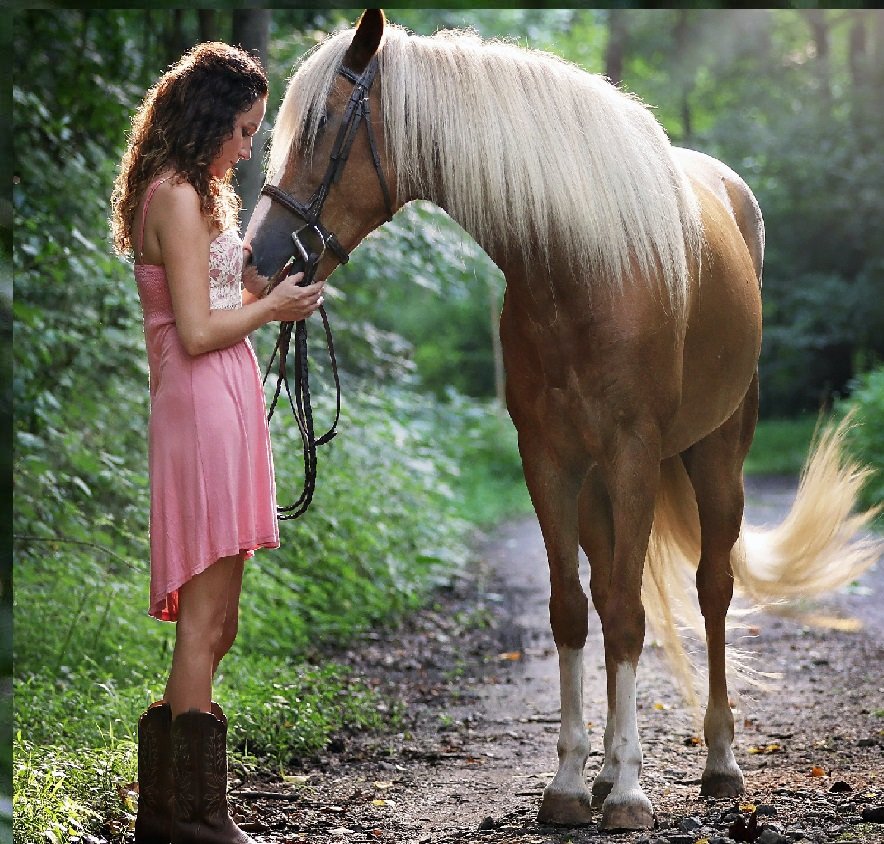
In an age where technology continues to advance at an unprecedented rate, the possibilities of improving the lives of our furry companions through arm prosthetics and Internet of Things (IoT) technology are becoming a reality. pets are an integral part of many families, and providing them with the latest advancements in prosthetics and IoT has the potential to enhance their quality of life in ways we never thought possible. One of the most intriguing developments in the field of arm prosthetics for pets is the creation of customized prosthetic limbs that are designed specifically to meet the unique needs of each individual animal. These prosthetics are not only aesthetically pleasing but also functional, enabling pets to regain mobility and perform daily activities with ease. Whether a pet has lost a limb due to injury, illness, or birth defects, advancements in 3D printing technology have made it possible to create prosthetic limbs that are both lightweight and durable, ensuring maximum comfort and mobility for the wearer. Furthermore, the integration of IoT technology into pet prosthetics is revolutionizing the way we care for our animal companions. IoT devices, such as smart collars and wearable sensors, can monitor a pet's activity levels, heart rate, and overall health in real-time. By collecting and analyzing data on a pet's behavior and well-being, pet owners and veterinarians can proactively address any health concerns or issues that may arise, leading to improved outcomes and a higher quality of life for the animal. Moreover, IoT technology can also be used to enhance the functionality of prosthetic limbs for pets. By incorporating sensors and actuators into the prosthetic devices, pet owners can remotely control the movements of the prosthetic limb, adjust its grip strength, and even receive alerts when the device needs maintenance or adjustments. This level of customization and control ensures that the prosthetic limb remains comfortable and functional for the pet, enhancing their ability to navigate their environment and engage in everyday activities. In conclusion, the combination of arm prosthetics and IoT technology holds immense promise for improving the lives of pets in meaningful ways. By leveraging the latest advancements in 3D printing, smart sensors, and remote monitoring capabilities, pet owners and veterinarians can provide their furry companions with personalized care and support that enhances their mobility, health, and overall well-being. As we continue to push the boundaries of innovation in the field of pet prosthetics and IoT, we can look forward to a future where pets can lead happier, healthier, and more fulfilling lives.
Leave a Comment:
SEARCH
Recent News
- Zurich, Switzerland is a vibrant city known for its stunning views, historic landmarks, and cultural events. One of the popular events that attract both locals and visitors alike is singing competitions.
- Zurich, Switzerland is not only known for its picturesque landscapes and vibrant culture but also for its diverse wildlife. While the city may be more commonly associated with its financial sector and luxury shopping, there are some rare and fascinating animals that call Zurich home.
- Hackathons have become a popular way for tech enthusiasts, developers, and innovators to come together and work on creative solutions to various challenges. Zurich, Switzerland, known for its thriving tech scene and innovation hub, has also seen a rise in hackathon competitions in recent years.
- Zurich, Switzerland, is a beautiful city known for its stunning architecture, picturesque landscapes, and rich cultural heritage. However, amidst all the beauty and sophistication, there is also a growing trend of keeping exotic pets in Zurich.
- In recent years, YouTube content creation has exploded in popularity, with creators from all walks of life sharing their talents, interests, and expertise with the world. One popular genre within the YouTube community is singing competitions, where aspiring musicians showcase their vocal abilities in hopes of gaining recognition and support from viewers.
- YouTube Content Creation: Showcasing Rare Animals through Translation
- YouTube Content Creation and Translation Hackathon Competitions
- Exotic pets have been gaining popularity among pet owners in recent years, and YouTube has become a popular platform for content creators to share their experiences with these unique animals. From colorful reptiles to unusual insects, there is no shortage of fascinating exotic pets to feature on YouTube channels.
READ MORE
10 months ago Category :

Zurich, Switzerland is a vibrant city known for its stunning views, historic landmarks, and cultural events. One of the popular events that attract both locals and visitors alike is singing competitions.
Read More →10 months ago Category :

Zurich, Switzerland is not only known for its picturesque landscapes and vibrant culture but also for its diverse wildlife. While the city may be more commonly associated with its financial sector and luxury shopping, there are some rare and fascinating animals that call Zurich home.
Read More →10 months ago Category :

Hackathons have become a popular way for tech enthusiasts, developers, and innovators to come together and work on creative solutions to various challenges. Zurich, Switzerland, known for its thriving tech scene and innovation hub, has also seen a rise in hackathon competitions in recent years.
Read More →10 months ago Category :
