Enhancing the Lives of Pets with Arm Prosthetics: Resources for Testing Arm Prosthetics for Animals
Category : | Sub Category : Posted on 2024-09-07 22:25:23
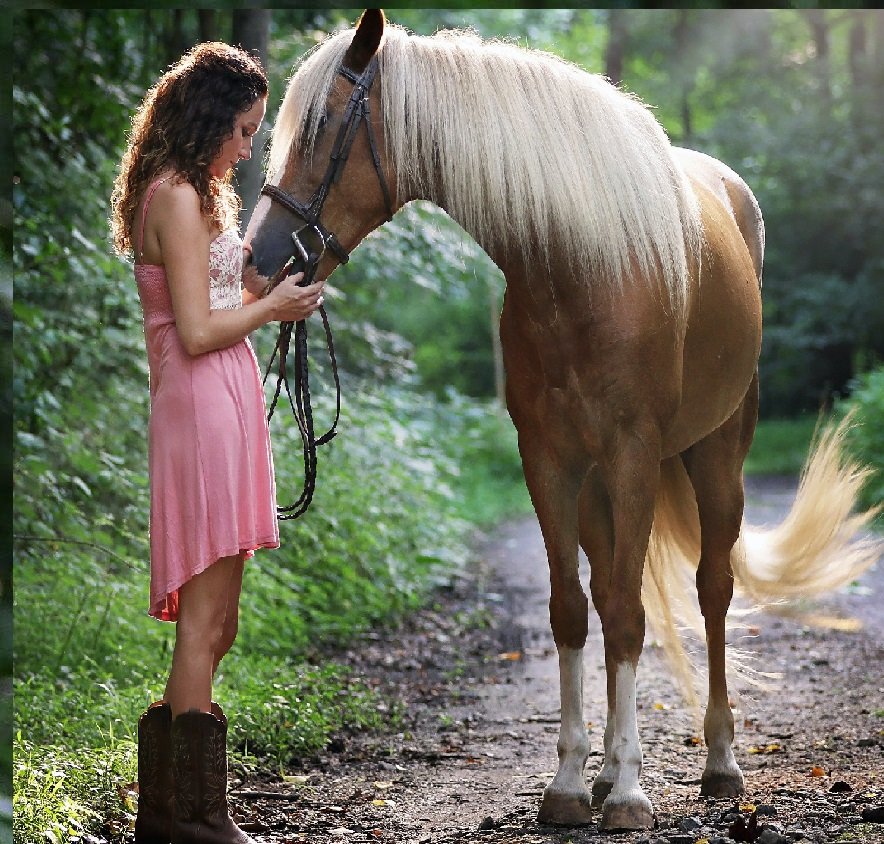
Introduction: arm prosthetics have long been used to improve the quality of life for humans with limb differences or amputations. However, advancements in technology have now made it possible to extend these benefits to our beloved pets as well. From dogs and cats to exotic animals, arm prosthetics can help animals regain mobility and independence. In this article, we will explore the application of arm prosthetics for pets and discuss resources available for testing these innovative devices. Benefits of Arm Prosthetics for Pets: Just like humans, animals can face challenges when they lose a limb due to injury, illness, or birth defects. Arm prosthetics offer a solution to help pets overcome these obstacles and lead fulfilling lives. By providing support and mobility, arm prosthetics can enable pets to perform daily activities, exercise, and engage in play. This can significantly improve their quality of life and overall well-being. Testing Arm Prosthetics for Pets: When it comes to testing arm prosthetics for animals, it is essential to ensure that the devices are safe, functional, and comfortable. Veterinarians, animal rehabilitation specialists, and prosthetic experts work together to create custom-made prosthetics tailored to each animal's specific needs. Testing involves fitting the prosthetic, assessing its functionality, and monitoring the animal's comfort and mobility during use. Resources for Testing Arm Prosthetics for Pets: 1. Veterinary Hospitals and Clinics: Many veterinary hospitals and clinics now offer services related to orthotics and prosthetics for animals. These facilities have specialized equipment and trained professionals who can assess and fit arm prosthetics for pets. 2. Animal Prosthetics Companies: Several companies specialize in designing and manufacturing prosthetic devices for animals. These companies work closely with veterinarians and pet owners to create customized arm prosthetics that meet the unique needs of each animal. 3. Research Institutions: Universities and research institutions are actively involved in studying and developing innovative prosthetic technologies for animals. These institutions often collaborate with veterinary professionals to test new prosthetic designs and techniques. 4. Animal Rehabilitation Centers: Animal rehabilitation centers play a crucial role in helping pets adapt to and use arm prosthetics effectively. These centers offer physical therapy, exercise programs, and support to ensure that animals can comfortably and confidently use their prosthetic limbs. Conclusion: Arm prosthetics have the potential to transform the lives of pets with limb differences and amputations. By leveraging resources for testing and improving these devices, we can offer our animal companions a chance to experience mobility, freedom, and a higher quality of life. As technology continues to advance, the future looks bright for pets who can benefit from the innovation and care provided by arm prosthetics.
Leave a Comment:
SEARCH
Recent News
- Zurich, Switzerland is a vibrant city known for its stunning views, historic landmarks, and cultural events. One of the popular events that attract both locals and visitors alike is singing competitions.
- Zurich, Switzerland is not only known for its picturesque landscapes and vibrant culture but also for its diverse wildlife. While the city may be more commonly associated with its financial sector and luxury shopping, there are some rare and fascinating animals that call Zurich home.
- Hackathons have become a popular way for tech enthusiasts, developers, and innovators to come together and work on creative solutions to various challenges. Zurich, Switzerland, known for its thriving tech scene and innovation hub, has also seen a rise in hackathon competitions in recent years.
- Zurich, Switzerland, is a beautiful city known for its stunning architecture, picturesque landscapes, and rich cultural heritage. However, amidst all the beauty and sophistication, there is also a growing trend of keeping exotic pets in Zurich.
- In recent years, YouTube content creation has exploded in popularity, with creators from all walks of life sharing their talents, interests, and expertise with the world. One popular genre within the YouTube community is singing competitions, where aspiring musicians showcase their vocal abilities in hopes of gaining recognition and support from viewers.
- YouTube Content Creation: Showcasing Rare Animals through Translation
- YouTube Content Creation and Translation Hackathon Competitions
- Exotic pets have been gaining popularity among pet owners in recent years, and YouTube has become a popular platform for content creators to share their experiences with these unique animals. From colorful reptiles to unusual insects, there is no shortage of fascinating exotic pets to feature on YouTube channels.
READ MORE
10 months ago Category :

Zurich, Switzerland is a vibrant city known for its stunning views, historic landmarks, and cultural events. One of the popular events that attract both locals and visitors alike is singing competitions.
Read More →10 months ago Category :

Zurich, Switzerland is not only known for its picturesque landscapes and vibrant culture but also for its diverse wildlife. While the city may be more commonly associated with its financial sector and luxury shopping, there are some rare and fascinating animals that call Zurich home.
Read More →10 months ago Category :

Hackathons have become a popular way for tech enthusiasts, developers, and innovators to come together and work on creative solutions to various challenges. Zurich, Switzerland, known for its thriving tech scene and innovation hub, has also seen a rise in hackathon competitions in recent years.
Read More →10 months ago Category :
