Enhancing Communication and Connection with Your Pets in Rwanda: Top Tools and Tips
Category : | Sub Category : Posted on 2024-09-07 22:25:23
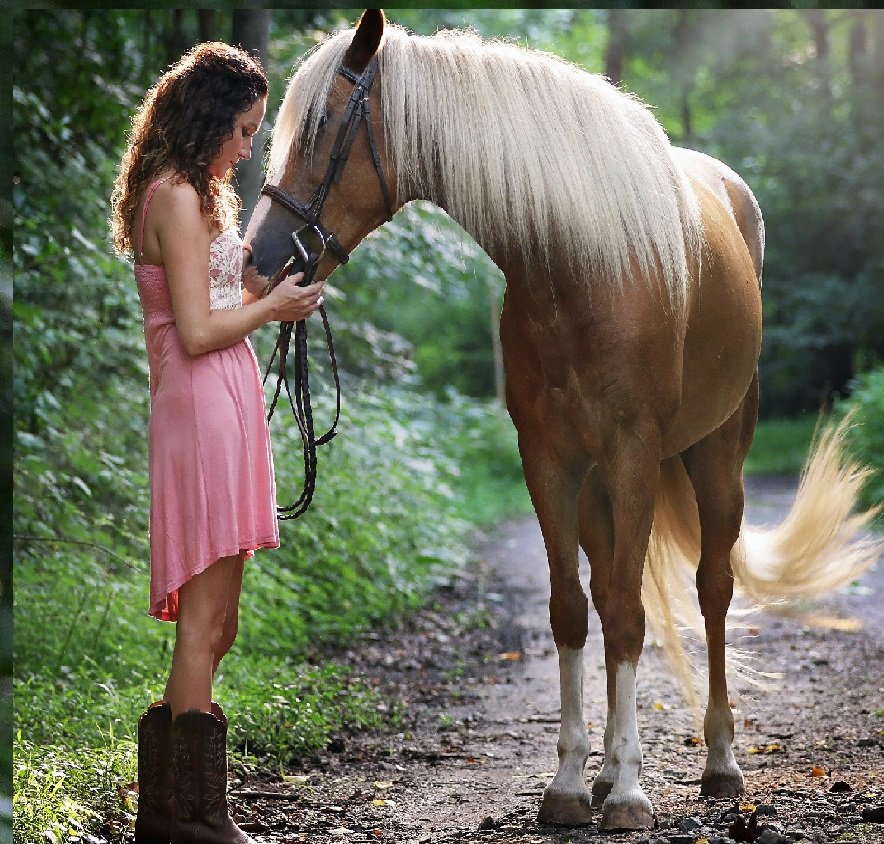
As pet owners in Rwanda, it is essential to establish clear and effective communication with our furry friends to ensure a strong bond and better understanding. Communicating with pets goes beyond verbal cues; it involves observing their body language, behavior, and emotions. In this blog post, we will explore some useful communication tools and tips to help you connect better with your pets in Rwanda. 1. Non-verbal Cues: Pets, such as dogs and cats, communicate primarily through body language. Pay attention to their posture, tail movements, ear position, and facial expressions to understand how they are feeling. For example, a wagging tail in a dog usually indicates happiness, while a tucked tail may signal fear or anxiety. By familiarizing yourself with your pet's non-verbal cues, you can respond appropriately to their needs and emotions. 2. Positive Reinforcement: Training your pet using positive reinforcement techniques can strengthen your bond and improve communication. Rewarding good behavior with treats, praise, or playtime helps your pet understand what is expected of them. Consistency and patience are key when using positive reinforcement to communicate effectively with your pet. 3. Interactive Toys and Games: Engaging your pet in interactive toys and games is a fun way to communicate and build trust. Toys that stimulate your pet's natural behaviors, such as hunting or foraging, can provide mental and physical enrichment. In Rwanda, you can find a variety of toys and games designed to keep your pets entertained and mentally engaged. 4. Establishing Routine: Pets thrive on routine, as it provides them with a sense of security and predictability. Establishing a consistent daily routine for feeding, playtime, exercise, and rest can help strengthen your communication with your pet. Stick to a schedule and observe how your pet responds to different activities at specific times of the day. 5. Veterinary Care: Regular veterinary check-ups are essential for maintaining your pet's health and well-being. Your veterinarian can help you understand your pet's medical needs, behavior, and communication signals. In Rwanda, there are reputable veterinary clinics and professionals who can assist you in caring for your pet and addressing any communication challenges. In conclusion, effective communication with your pets in Rwanda requires patience, observation, and a willingness to learn their unique language. By utilizing non-verbal cues, positive reinforcement, interactive toys, maintaining a routine, and seeking veterinary care, you can enhance your connection with your furry companions and ensure a fulfilling relationship. Remember that each pet is unique, so take the time to establish a strong bond based on mutual understanding and respect.
Leave a Comment:
SEARCH
Recent News
- Zurich, Switzerland is a vibrant city known for its stunning views, historic landmarks, and cultural events. One of the popular events that attract both locals and visitors alike is singing competitions.
- Zurich, Switzerland is not only known for its picturesque landscapes and vibrant culture but also for its diverse wildlife. While the city may be more commonly associated with its financial sector and luxury shopping, there are some rare and fascinating animals that call Zurich home.
- Hackathons have become a popular way for tech enthusiasts, developers, and innovators to come together and work on creative solutions to various challenges. Zurich, Switzerland, known for its thriving tech scene and innovation hub, has also seen a rise in hackathon competitions in recent years.
- Zurich, Switzerland, is a beautiful city known for its stunning architecture, picturesque landscapes, and rich cultural heritage. However, amidst all the beauty and sophistication, there is also a growing trend of keeping exotic pets in Zurich.
- In recent years, YouTube content creation has exploded in popularity, with creators from all walks of life sharing their talents, interests, and expertise with the world. One popular genre within the YouTube community is singing competitions, where aspiring musicians showcase their vocal abilities in hopes of gaining recognition and support from viewers.
- YouTube Content Creation: Showcasing Rare Animals through Translation
- YouTube Content Creation and Translation Hackathon Competitions
- Exotic pets have been gaining popularity among pet owners in recent years, and YouTube has become a popular platform for content creators to share their experiences with these unique animals. From colorful reptiles to unusual insects, there is no shortage of fascinating exotic pets to feature on YouTube channels.
READ MORE
10 months ago Category :

Zurich, Switzerland is a vibrant city known for its stunning views, historic landmarks, and cultural events. One of the popular events that attract both locals and visitors alike is singing competitions.
Read More →10 months ago Category :

Zurich, Switzerland is not only known for its picturesque landscapes and vibrant culture but also for its diverse wildlife. While the city may be more commonly associated with its financial sector and luxury shopping, there are some rare and fascinating animals that call Zurich home.
Read More →10 months ago Category :

Hackathons have become a popular way for tech enthusiasts, developers, and innovators to come together and work on creative solutions to various challenges. Zurich, Switzerland, known for its thriving tech scene and innovation hub, has also seen a rise in hackathon competitions in recent years.
Read More →10 months ago Category :
