The Significance of Cultures, Clocks, and Pets in Our Daily Lives
Category : | Sub Category : Posted on 2024-09-07 22:25:23
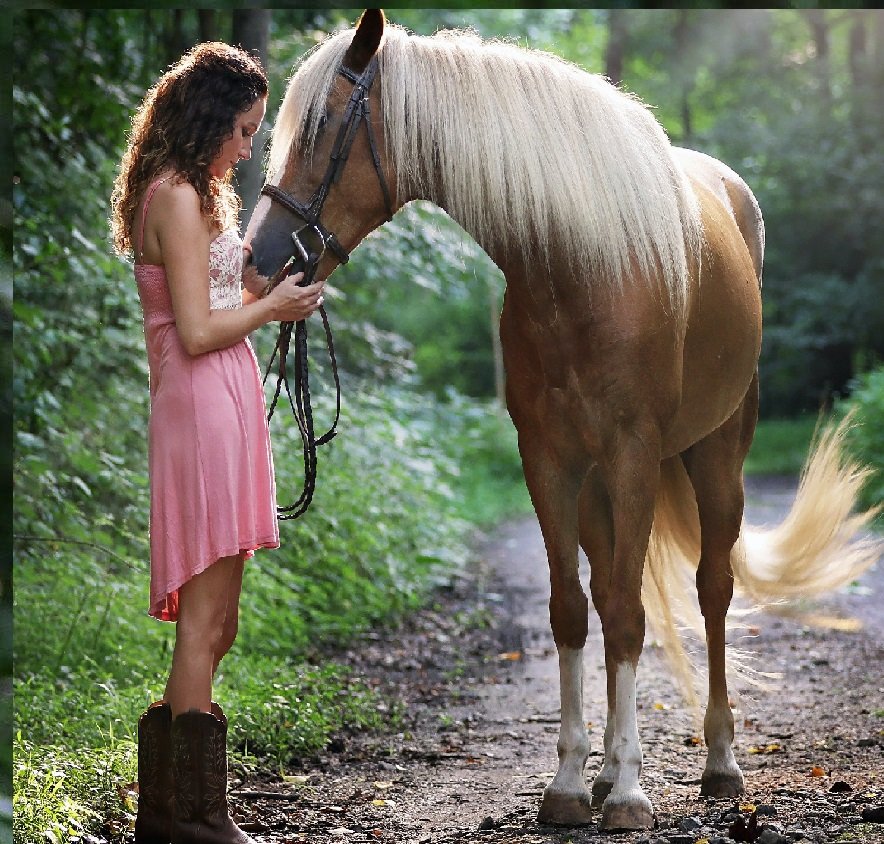
In our diverse world, cultures, clocks, and pets play important roles in shaping our daily lives and routines. These three elements may seem unrelated at first glance, but upon closer inspection, we can see how they intersect and influence each other in various ways. Cultures are the fabric of society, representing shared beliefs, customs, and traditions that are passed down through generations. Every culture has its own unique way of perceiving time and organizing daily activities. In some cultures, time is seen as circular and cyclical, emphasizing the importance of present moments rather than strict adherence to schedules dictated by clocks. In contrast, other cultures place a high value on punctuality and efficiency, with time measured and regulated by clocks. Clocks, regardless of cultural interpretations, serve as indispensable tools that help us structure our day, manage our tasks, and coordinate with others. From traditional sundials to modern digital clocks, these timekeeping devices keep us on track and ensure that we meet deadlines and appointments. The ticking of a clock can create a sense of urgency or relaxation, depending on how we perceive and utilize time. Pets, on the other hand, bring joy, companionship, and comfort to our lives. Across cultures, pets hold a special place in families and communities, providing emotional support and unconditional love to their human counterparts. Dogs, cats, birds, and other animals not only offer companionship but also teach us valuable lessons about responsibility, empathy, and connection to the natural world. In some cultures, pets are considered integral parts of daily life, participating in rituals, celebrations, and even work activities. For example, therapy dogs are increasingly used to support individuals with physical and mental health challenges, showcasing the healing power of the human-animal bond. In contrast, there are cultures where pets are primarily kept for practical purposes, such as hunting, herding, or protection. When we consider the intersections of cultures, clocks, and pets, we realize that these elements contribute to the rich tapestry of human experience. Our cultural backgrounds shape how we perceive and value time, while our relationships with pets offer us emotional connections that transcend language and cultural barriers. As we navigate our busy lives, let us cherish the diversity of cultures, appreciate the ticking of clocks, and celebrate the furry companions who make each day brighter.
Leave a Comment:
SEARCH
Recent News
- Zurich, Switzerland is a vibrant city known for its stunning views, historic landmarks, and cultural events. One of the popular events that attract both locals and visitors alike is singing competitions.
- Zurich, Switzerland is not only known for its picturesque landscapes and vibrant culture but also for its diverse wildlife. While the city may be more commonly associated with its financial sector and luxury shopping, there are some rare and fascinating animals that call Zurich home.
- Hackathons have become a popular way for tech enthusiasts, developers, and innovators to come together and work on creative solutions to various challenges. Zurich, Switzerland, known for its thriving tech scene and innovation hub, has also seen a rise in hackathon competitions in recent years.
- Zurich, Switzerland, is a beautiful city known for its stunning architecture, picturesque landscapes, and rich cultural heritage. However, amidst all the beauty and sophistication, there is also a growing trend of keeping exotic pets in Zurich.
- In recent years, YouTube content creation has exploded in popularity, with creators from all walks of life sharing their talents, interests, and expertise with the world. One popular genre within the YouTube community is singing competitions, where aspiring musicians showcase their vocal abilities in hopes of gaining recognition and support from viewers.
- YouTube Content Creation: Showcasing Rare Animals through Translation
- YouTube Content Creation and Translation Hackathon Competitions
- Exotic pets have been gaining popularity among pet owners in recent years, and YouTube has become a popular platform for content creators to share their experiences with these unique animals. From colorful reptiles to unusual insects, there is no shortage of fascinating exotic pets to feature on YouTube channels.
READ MORE
10 months ago Category :

Zurich, Switzerland is a vibrant city known for its stunning views, historic landmarks, and cultural events. One of the popular events that attract both locals and visitors alike is singing competitions.
Read More →10 months ago Category :

Zurich, Switzerland is not only known for its picturesque landscapes and vibrant culture but also for its diverse wildlife. While the city may be more commonly associated with its financial sector and luxury shopping, there are some rare and fascinating animals that call Zurich home.
Read More →10 months ago Category :

Hackathons have become a popular way for tech enthusiasts, developers, and innovators to come together and work on creative solutions to various challenges. Zurich, Switzerland, known for its thriving tech scene and innovation hub, has also seen a rise in hackathon competitions in recent years.
Read More →10 months ago Category :
