"Cultural Perspectives on Pets as Medical Aids"
Category : | Sub Category : Posted on 2024-09-07 22:25:23
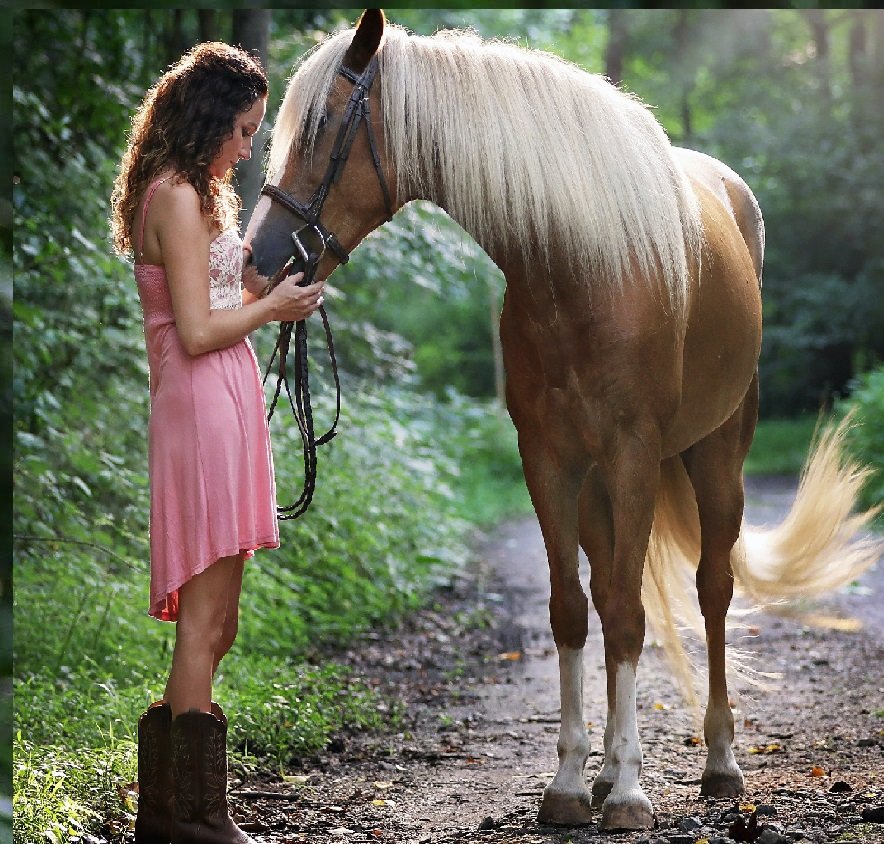
In various cultures around the world, pets are not only beloved companions but are also valued for their potential medical benefits. From emotional support to physical assistance, pets play a significant role in improving the health and well-being of their human counterparts. Let's explore how different cultures view pets as medical aids: 1. **Therapy Animals in Western Culture**: In Western societies, therapy animals are becoming increasingly popular in various healthcare settings. Dogs, cats, and even horses are trained to provide emotional support and comfort to individuals struggling with mental health issues, chronic illnesses, or disabilities. These therapy animals are regarded as valuable allies in promoting healing and reducing stress and anxiety. 2. **Traditional Chinese Medicine and Animal Symbolism**: In Chinese culture, certain animals are believed to possess medicinal properties that can benefit human health. For example, the tiger is associated with strength and vitality, while the dragon symbolizes power and good fortune. In traditional Chinese medicine, animal-derived products such as bear bile and deer antler are used for their supposed healing properties. 3. **Indigenous Healing Practices**: Many indigenous cultures incorporate animals into their healing practices. In Native American traditions, animals are revered for their wisdom and spiritual significance. Shamans may work with animal spirits during healing ceremonies to restore balance and harmony within individuals and communities. 4. **Japanese Pet Therapy**: In Japan, the concept of "pet therapy" or "animal-assisted therapy" is gaining traction as a holistic approach to healthcare. Dogs, cats, and rabbits are often used in therapeutic settings to improve mood, reduce anxiety, and enhance social interactions. The calming presence of these animals is believed to promote emotional well-being and alleviate symptoms of stress and depression. 5. **Islamic Views on Pets**: In Islamic culture, pets are considered to be loyal companions and sources of comfort and joy. The Prophet Muhammad is said to have shown kindness and affection towards animals, emphasizing the importance of treating them with compassion and respect. Many Muslims keep pets such as cats or birds in their homes as a way to experience the love and companionship that animals can provide. In conclusion, the relationship between cultures, pets, and medical practices is a complex and multifaceted one. Across the globe, pets are valued not only for their company but also for their potential to aid in healing and promoting well-being. Whether through therapy animals, traditional healing practices, or spiritual connections, pets continue to play a vital role in enriching our lives and enhancing our health from a cultural perspective. If you are interested you can check the following website https://www.tinyfed.com Get a comprehensive view with https://www.natclar.com
Leave a Comment:
SEARCH
Recent News
- Zurich, Switzerland is a vibrant city known for its stunning views, historic landmarks, and cultural events. One of the popular events that attract both locals and visitors alike is singing competitions.
- Zurich, Switzerland is not only known for its picturesque landscapes and vibrant culture but also for its diverse wildlife. While the city may be more commonly associated with its financial sector and luxury shopping, there are some rare and fascinating animals that call Zurich home.
- Hackathons have become a popular way for tech enthusiasts, developers, and innovators to come together and work on creative solutions to various challenges. Zurich, Switzerland, known for its thriving tech scene and innovation hub, has also seen a rise in hackathon competitions in recent years.
- Zurich, Switzerland, is a beautiful city known for its stunning architecture, picturesque landscapes, and rich cultural heritage. However, amidst all the beauty and sophistication, there is also a growing trend of keeping exotic pets in Zurich.
- In recent years, YouTube content creation has exploded in popularity, with creators from all walks of life sharing their talents, interests, and expertise with the world. One popular genre within the YouTube community is singing competitions, where aspiring musicians showcase their vocal abilities in hopes of gaining recognition and support from viewers.
- YouTube Content Creation: Showcasing Rare Animals through Translation
- YouTube Content Creation and Translation Hackathon Competitions
- Exotic pets have been gaining popularity among pet owners in recent years, and YouTube has become a popular platform for content creators to share their experiences with these unique animals. From colorful reptiles to unusual insects, there is no shortage of fascinating exotic pets to feature on YouTube channels.
READ MORE
11 months ago Category :

Zurich, Switzerland is a vibrant city known for its stunning views, historic landmarks, and cultural events. One of the popular events that attract both locals and visitors alike is singing competitions.
Read More →11 months ago Category :

Zurich, Switzerland is not only known for its picturesque landscapes and vibrant culture but also for its diverse wildlife. While the city may be more commonly associated with its financial sector and luxury shopping, there are some rare and fascinating animals that call Zurich home.
Read More →11 months ago Category :

Hackathons have become a popular way for tech enthusiasts, developers, and innovators to come together and work on creative solutions to various challenges. Zurich, Switzerland, known for its thriving tech scene and innovation hub, has also seen a rise in hackathon competitions in recent years.
Read More →11 months ago Category :
