The Intriguing Connection Between Cultures, Pets, Corruption, and Religious Power
Category : | Sub Category : Posted on 2024-09-07 22:25:23
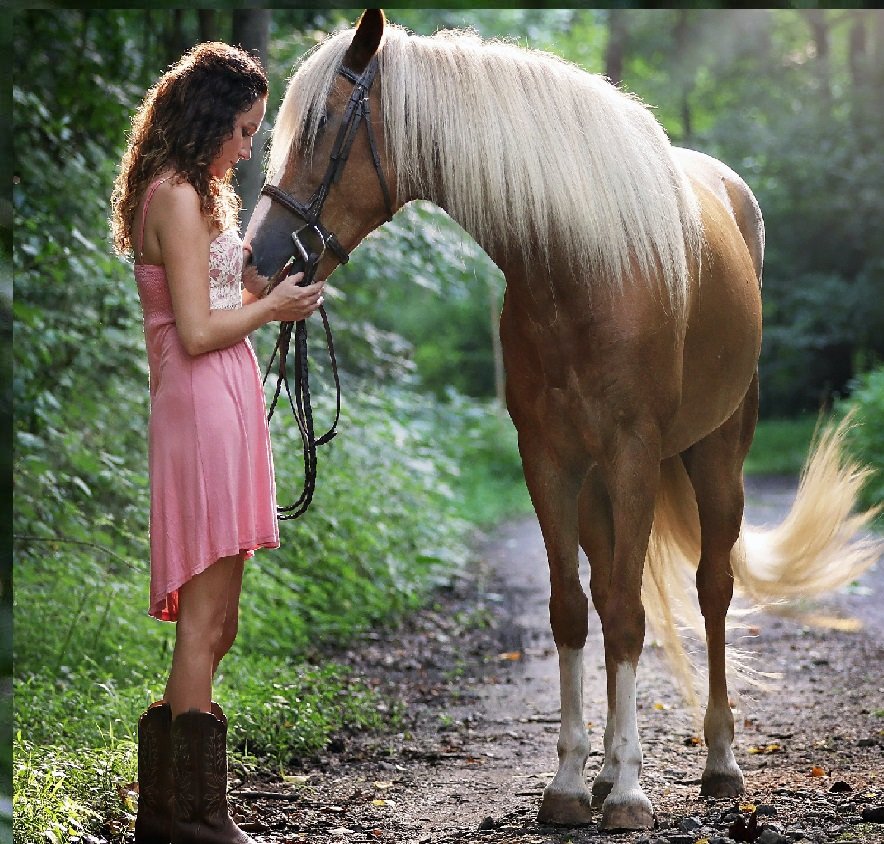
When we think about the diverse tapestry of cultures around the world, one may not immediately consider the role that pets play within these societies. However, a closer examination reveals a fascinating link between cultures, pets, corruption, and religious power. Pets are not just animals that we keep for companionship; they often hold significant cultural and symbolic value within different societies. For example, in ancient Egypt, cats were revered and considered sacred animals, representing protection and fertility. In Japan, the loyal and disciplined nature of dogs has cemented their status as beloved companions, with festivals celebrating their faithfulness. The way in which pets are treated within a culture can also shed light on the societal values and norms present. In some parts of the world, animals are sadly subjected to cruelty and neglect, reflecting deeper issues of corruption and a lack of respect for life. Conversely, in cultures where pets are cherished and revered, it often signifies a greater sense of compassion and empathy within the community. Furthermore, the relationship between pets and religious power is a complex and intriguing one. Many religions have teachings and beliefs regarding the treatment of animals, with some viewing them as sentient beings deserving of respect and care. In contrast, there are instances where religious figures and institutions have been accused of exploiting their power, using animals for profit or unethical practices. Corruption within religious institutions can have far-reaching consequences, not only affecting the welfare of animals but also eroding trust and faith within a community. It is crucial for religious leaders to uphold values of integrity and compassion, setting a positive example for their followers when it comes to the treatment of pets and all living beings. In conclusion, the intersection of cultures, pets, corruption, and religious power offers a rich tapestry of insights into the values and dynamics of societies worldwide. By examining these connections, we can gain a deeper understanding of the complexities inherent in our relationships with animals, authority, and each other. It is essential to promote respect, compassion, and ethical practices in all aspects of life, including how we interact with our beloved pets and the world around us.
Leave a Comment:
SEARCH
Recent News
- Zurich, Switzerland is a vibrant city known for its stunning views, historic landmarks, and cultural events. One of the popular events that attract both locals and visitors alike is singing competitions.
- Zurich, Switzerland is not only known for its picturesque landscapes and vibrant culture but also for its diverse wildlife. While the city may be more commonly associated with its financial sector and luxury shopping, there are some rare and fascinating animals that call Zurich home.
- Hackathons have become a popular way for tech enthusiasts, developers, and innovators to come together and work on creative solutions to various challenges. Zurich, Switzerland, known for its thriving tech scene and innovation hub, has also seen a rise in hackathon competitions in recent years.
- Zurich, Switzerland, is a beautiful city known for its stunning architecture, picturesque landscapes, and rich cultural heritage. However, amidst all the beauty and sophistication, there is also a growing trend of keeping exotic pets in Zurich.
- In recent years, YouTube content creation has exploded in popularity, with creators from all walks of life sharing their talents, interests, and expertise with the world. One popular genre within the YouTube community is singing competitions, where aspiring musicians showcase their vocal abilities in hopes of gaining recognition and support from viewers.
- YouTube Content Creation: Showcasing Rare Animals through Translation
- YouTube Content Creation and Translation Hackathon Competitions
- Exotic pets have been gaining popularity among pet owners in recent years, and YouTube has become a popular platform for content creators to share their experiences with these unique animals. From colorful reptiles to unusual insects, there is no shortage of fascinating exotic pets to feature on YouTube channels.
READ MORE
10 months ago Category :

Zurich, Switzerland is a vibrant city known for its stunning views, historic landmarks, and cultural events. One of the popular events that attract both locals and visitors alike is singing competitions.
Read More →10 months ago Category :

Zurich, Switzerland is not only known for its picturesque landscapes and vibrant culture but also for its diverse wildlife. While the city may be more commonly associated with its financial sector and luxury shopping, there are some rare and fascinating animals that call Zurich home.
Read More →10 months ago Category :

Hackathons have become a popular way for tech enthusiasts, developers, and innovators to come together and work on creative solutions to various challenges. Zurich, Switzerland, known for its thriving tech scene and innovation hub, has also seen a rise in hackathon competitions in recent years.
Read More →10 months ago Category :
