The Colorful World of Cultures Pets: Exploring the Art of Dyeing Pigments
Category : | Sub Category : Posted on 2024-09-07 22:25:23
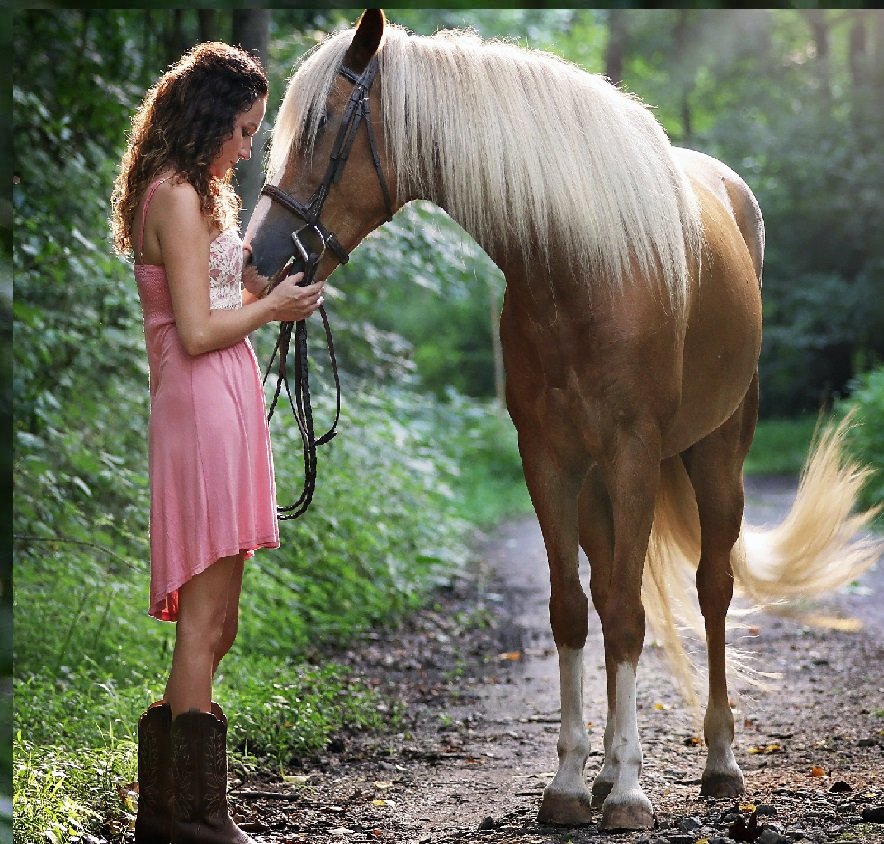
In today's world, pets have become more than just animal companions for many people. They have become a way to express individuality and creativity, leading to the rise of a unique trend known as dyeing pigments on pets. This practice involves using safe and non-toxic dyes to add vibrant colors to a pet's fur or feathers, creating stunning, eye-catching looks. Let's delve into the fascinating world of cultures pets and explore the art of dyeing pigments. The tradition of dyeing pigments on pets dates back centuries and can be found in various cultures around the world. In some cultures, dyeing pigments on pets is considered a form of artistic expression and a way to celebrate special occasions or festivals. For example, in certain Asian countries, it is common to dye the fur of pets such as dogs and cats in bright colors during festive seasons to bring good luck and prosperity. Dyeing pigments on pets can also be a form of identification or branding. In some farming communities, livestock such as sheep, goats, and even dogs are dyed with specific colors to denote ownership or to differentiate between animals belonging to different households. This practice not only serves a practical purpose but also adds a touch of flair to the animals' appearance. While dyeing pigments on pets can be visually appealing, it is essential to prioritize the well-being and safety of the animals. It is crucial to use only pet-safe dyes that are specifically formulated for animal use. These dyes are non-toxic, gentle on the skin and fur, and are designed to fade naturally over time without causing harm to the pets. Before dyeing a pet's fur or feathers, it is important to consult with a professional groomer or veterinarian who has experience in pet coloring. They can provide guidance on choosing the right dye colors, application techniques, and aftercare procedures to ensure that the process is carried out safely and effectively. When dyeing pigments on pets, it is also essential to consider the pet's comfort and well-being. Some animals may be sensitive to the dyeing process or may exhibit signs of stress or discomfort. It is important to monitor the pet closely during and after the dyeing procedure and to seek veterinary attention if any adverse reactions occur. In conclusion, the practice of dyeing pigments on pets is a fascinating aspect of pet culture that showcases the bond between humans and animals. When done responsibly and with careful consideration for the pets' welfare, dyeing pigments on pets can be a creative and expressive way to enhance their appearance and create unique and memorable experiences. Let's continue to celebrate the diversity and creativity in pet culture while ensuring the safety and happiness of our beloved animal companions.
Leave a Comment:
SEARCH
Recent News
- Zurich, Switzerland is a vibrant city known for its stunning views, historic landmarks, and cultural events. One of the popular events that attract both locals and visitors alike is singing competitions.
- Zurich, Switzerland is not only known for its picturesque landscapes and vibrant culture but also for its diverse wildlife. While the city may be more commonly associated with its financial sector and luxury shopping, there are some rare and fascinating animals that call Zurich home.
- Hackathons have become a popular way for tech enthusiasts, developers, and innovators to come together and work on creative solutions to various challenges. Zurich, Switzerland, known for its thriving tech scene and innovation hub, has also seen a rise in hackathon competitions in recent years.
- Zurich, Switzerland, is a beautiful city known for its stunning architecture, picturesque landscapes, and rich cultural heritage. However, amidst all the beauty and sophistication, there is also a growing trend of keeping exotic pets in Zurich.
- In recent years, YouTube content creation has exploded in popularity, with creators from all walks of life sharing their talents, interests, and expertise with the world. One popular genre within the YouTube community is singing competitions, where aspiring musicians showcase their vocal abilities in hopes of gaining recognition and support from viewers.
- YouTube Content Creation: Showcasing Rare Animals through Translation
- YouTube Content Creation and Translation Hackathon Competitions
- Exotic pets have been gaining popularity among pet owners in recent years, and YouTube has become a popular platform for content creators to share their experiences with these unique animals. From colorful reptiles to unusual insects, there is no shortage of fascinating exotic pets to feature on YouTube channels.
READ MORE
10 months ago Category :

Zurich, Switzerland is a vibrant city known for its stunning views, historic landmarks, and cultural events. One of the popular events that attract both locals and visitors alike is singing competitions.
Read More →10 months ago Category :

Zurich, Switzerland is not only known for its picturesque landscapes and vibrant culture but also for its diverse wildlife. While the city may be more commonly associated with its financial sector and luxury shopping, there are some rare and fascinating animals that call Zurich home.
Read More →10 months ago Category :

Hackathons have become a popular way for tech enthusiasts, developers, and innovators to come together and work on creative solutions to various challenges. Zurich, Switzerland, known for its thriving tech scene and innovation hub, has also seen a rise in hackathon competitions in recent years.
Read More →10 months ago Category :
