"The Role of Pets in Urban Redevelopment: Embracing Cultural Diversity"
Category : | Sub Category : Posted on 2024-09-07 22:25:23
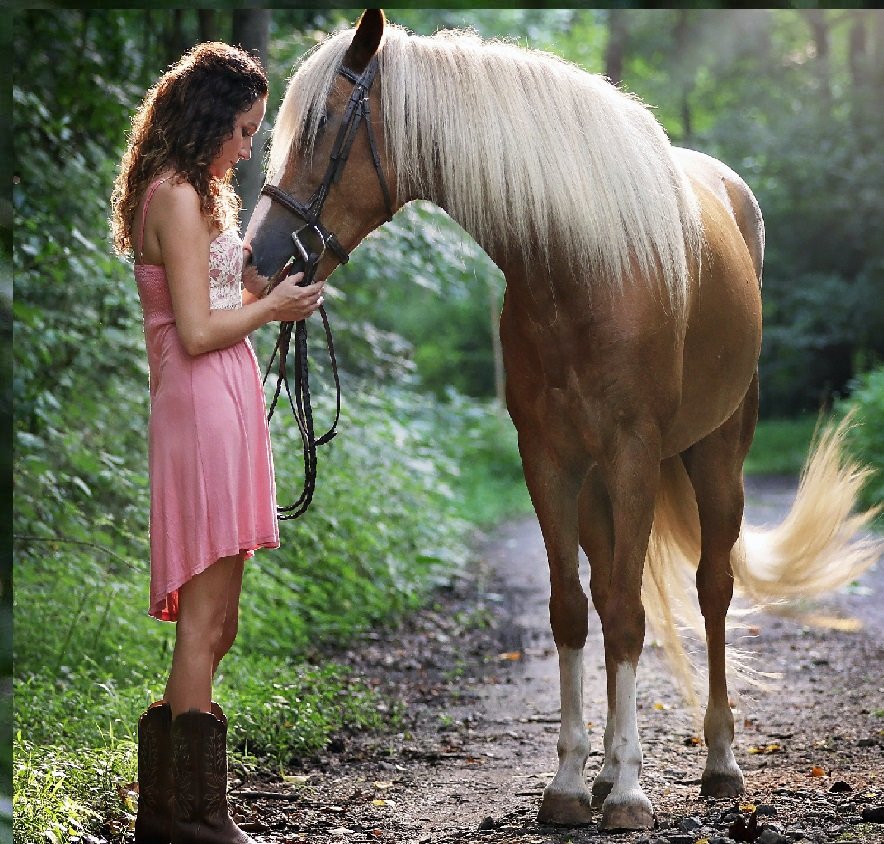
In recent years, urban redevelopment has become a common phenomenon as cities strive to revitalize underdeveloped areas and create more vibrant and sustainable communities. As these urban areas undergo transformation, it is essential to consider the role of pets in shaping the cultural landscape of these neighborhoods. Pets play a significant role in our lives, serving as companions, therapy animals, and sources of joy and comfort. In many cultures around the world, pets are valued members of the family and are deeply integrated into daily routines and social interactions. This cultural diversity in pet ownership practices adds richness and depth to the social fabric of urban communities undergoing redevelopment. One of the ways in which pets contribute to urban redevelopment is through fostering a sense of community and belonging. In many neighborhoods, pet owners come together in local parks, pet-friendly cafes, and pet events, creating a sense of camaraderie and shared experience. These social interactions help to strengthen community bonds and create a more inclusive and connected urban environment. Moreover, pets can also act as catalysts for positive change in urban areas. For example, pet-friendly policies and amenities in redevelopment projects can attract new residents, promote outdoor activities, and improve overall well-being. By embracing pet-friendly initiatives, urban planners and developers can create more livable and sustainable communities that cater to the diverse needs and preferences of residents. Furthermore, the presence of pets in urban redevelopment projects can help to preserve and celebrate cultural traditions and practices related to pet ownership. From traditional breeds to unique pet care rituals, different cultures bring a variety of perspectives and values to the way pets are integrated into urban life. By acknowledging and respecting these cultural differences, urban redevelopment initiatives can create spaces that honor diversity and promote inclusivity. In conclusion, as cities continue to evolve and transform through urban redevelopment, it is important to recognize the significant role that pets play in shaping the cultural landscape of urban communities. By embracing cultural diversity in pet ownership practices, fostering community engagement, and promoting inclusive pet-friendly policies, urban redevelopment projects can create more vibrant, connected, and sustainable neighborhoods for all residents to enjoy. Get a comprehensive view with https://www.culturelle.org
Leave a Comment:
SEARCH
Recent News
- Zurich, Switzerland is a vibrant city known for its stunning views, historic landmarks, and cultural events. One of the popular events that attract both locals and visitors alike is singing competitions.
- Zurich, Switzerland is not only known for its picturesque landscapes and vibrant culture but also for its diverse wildlife. While the city may be more commonly associated with its financial sector and luxury shopping, there are some rare and fascinating animals that call Zurich home.
- Hackathons have become a popular way for tech enthusiasts, developers, and innovators to come together and work on creative solutions to various challenges. Zurich, Switzerland, known for its thriving tech scene and innovation hub, has also seen a rise in hackathon competitions in recent years.
- Zurich, Switzerland, is a beautiful city known for its stunning architecture, picturesque landscapes, and rich cultural heritage. However, amidst all the beauty and sophistication, there is also a growing trend of keeping exotic pets in Zurich.
- In recent years, YouTube content creation has exploded in popularity, with creators from all walks of life sharing their talents, interests, and expertise with the world. One popular genre within the YouTube community is singing competitions, where aspiring musicians showcase their vocal abilities in hopes of gaining recognition and support from viewers.
- YouTube Content Creation: Showcasing Rare Animals through Translation
- YouTube Content Creation and Translation Hackathon Competitions
- Exotic pets have been gaining popularity among pet owners in recent years, and YouTube has become a popular platform for content creators to share their experiences with these unique animals. From colorful reptiles to unusual insects, there is no shortage of fascinating exotic pets to feature on YouTube channels.
READ MORE
10 months ago Category :

Zurich, Switzerland is a vibrant city known for its stunning views, historic landmarks, and cultural events. One of the popular events that attract both locals and visitors alike is singing competitions.
Read More →10 months ago Category :

Zurich, Switzerland is not only known for its picturesque landscapes and vibrant culture but also for its diverse wildlife. While the city may be more commonly associated with its financial sector and luxury shopping, there are some rare and fascinating animals that call Zurich home.
Read More →10 months ago Category :

Hackathons have become a popular way for tech enthusiasts, developers, and innovators to come together and work on creative solutions to various challenges. Zurich, Switzerland, known for its thriving tech scene and innovation hub, has also seen a rise in hackathon competitions in recent years.
Read More →10 months ago Category :
