The Role of Pets in Women's Political Careers: A Cross-Cultural Perspective
Category : | Sub Category : Posted on 2024-09-07 22:25:23
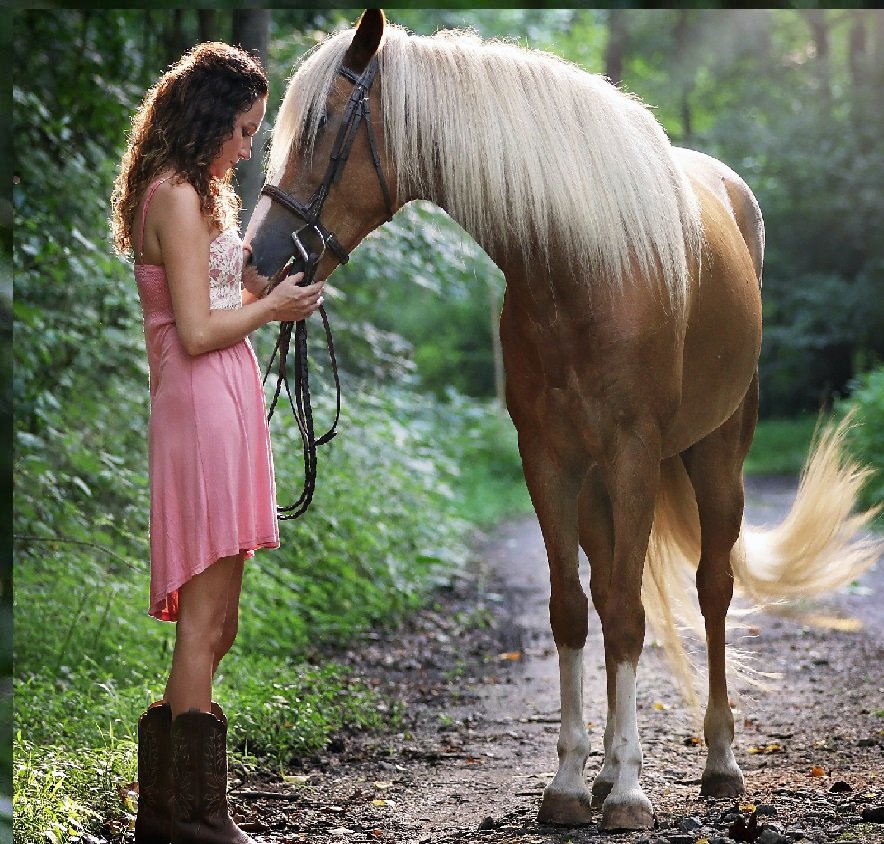
In recent years, there has been a growing interest in the intersection of pets, culture, and women's involvement in politics. While pets have been traditionally seen as companions and sources of emotional support, their role in shaping women's political careers is a relatively new and intriguing area of study. Across different cultures, pets hold varying levels of significance. In Western societies, for example, pets are often considered beloved members of the family, providing comfort and companionship to their owners. In many Asian cultures, pets are seen as symbols of luck and prosperity, and are often kept for their aesthetic appeal. When it comes to women in politics, pets can play a unique role in shaping their public image and personal branding. Many female politicians leverage their relationships with pets to showcase a softer, more relatable side to their personalities. A picture of a politician playing with a dog or taking care of a cat can humanize them in the eyes of the public and help build a connection with voters. In some cultures, pets can also symbolize power and influence. Owning exotic or rare animals can be a status symbol for women in positions of authority, signaling their wealth and social standing. In countries where women's participation in politics is still limited, the presence of pets in political discourse can serve as a way for female politicians to assert their independence and agency. However, it's essential to recognize that the relationship between pets and women in politics is not without its complexities. Critics may argue that the emphasis on politicians' pets distracts from more pressing issues and reinforces gender stereotypes. Additionally, not all women have equal access to pets or the resources needed to care for them, which can create disparities in how they are perceived in political arenas. Despite these challenges, the connection between pets, culture, and women in politics continues to evolve and be a compelling subject for further exploration. As we strive for a more inclusive and diverse political landscape, understanding the role of pets in shaping women's experiences and identities can provide valuable insights into the complexities of gender, power, and representation. Get more at https://www.culturelle.org
Leave a Comment:
SEARCH
Recent News
- Zurich, Switzerland is a vibrant city known for its stunning views, historic landmarks, and cultural events. One of the popular events that attract both locals and visitors alike is singing competitions.
- Zurich, Switzerland is not only known for its picturesque landscapes and vibrant culture but also for its diverse wildlife. While the city may be more commonly associated with its financial sector and luxury shopping, there are some rare and fascinating animals that call Zurich home.
- Hackathons have become a popular way for tech enthusiasts, developers, and innovators to come together and work on creative solutions to various challenges. Zurich, Switzerland, known for its thriving tech scene and innovation hub, has also seen a rise in hackathon competitions in recent years.
- Zurich, Switzerland, is a beautiful city known for its stunning architecture, picturesque landscapes, and rich cultural heritage. However, amidst all the beauty and sophistication, there is also a growing trend of keeping exotic pets in Zurich.
- In recent years, YouTube content creation has exploded in popularity, with creators from all walks of life sharing their talents, interests, and expertise with the world. One popular genre within the YouTube community is singing competitions, where aspiring musicians showcase their vocal abilities in hopes of gaining recognition and support from viewers.
- YouTube Content Creation: Showcasing Rare Animals through Translation
- YouTube Content Creation and Translation Hackathon Competitions
- Exotic pets have been gaining popularity among pet owners in recent years, and YouTube has become a popular platform for content creators to share their experiences with these unique animals. From colorful reptiles to unusual insects, there is no shortage of fascinating exotic pets to feature on YouTube channels.
READ MORE
10 months ago Category :

Zurich, Switzerland is a vibrant city known for its stunning views, historic landmarks, and cultural events. One of the popular events that attract both locals and visitors alike is singing competitions.
Read More →10 months ago Category :

Zurich, Switzerland is not only known for its picturesque landscapes and vibrant culture but also for its diverse wildlife. While the city may be more commonly associated with its financial sector and luxury shopping, there are some rare and fascinating animals that call Zurich home.
Read More →10 months ago Category :

Hackathons have become a popular way for tech enthusiasts, developers, and innovators to come together and work on creative solutions to various challenges. Zurich, Switzerland, known for its thriving tech scene and innovation hub, has also seen a rise in hackathon competitions in recent years.
Read More →10 months ago Category :
