Deepfake Pets: How Artificial Intelligence is Impacting Asset and Money Transfer
Category : | Sub Category : Posted on 2024-09-07 22:25:23
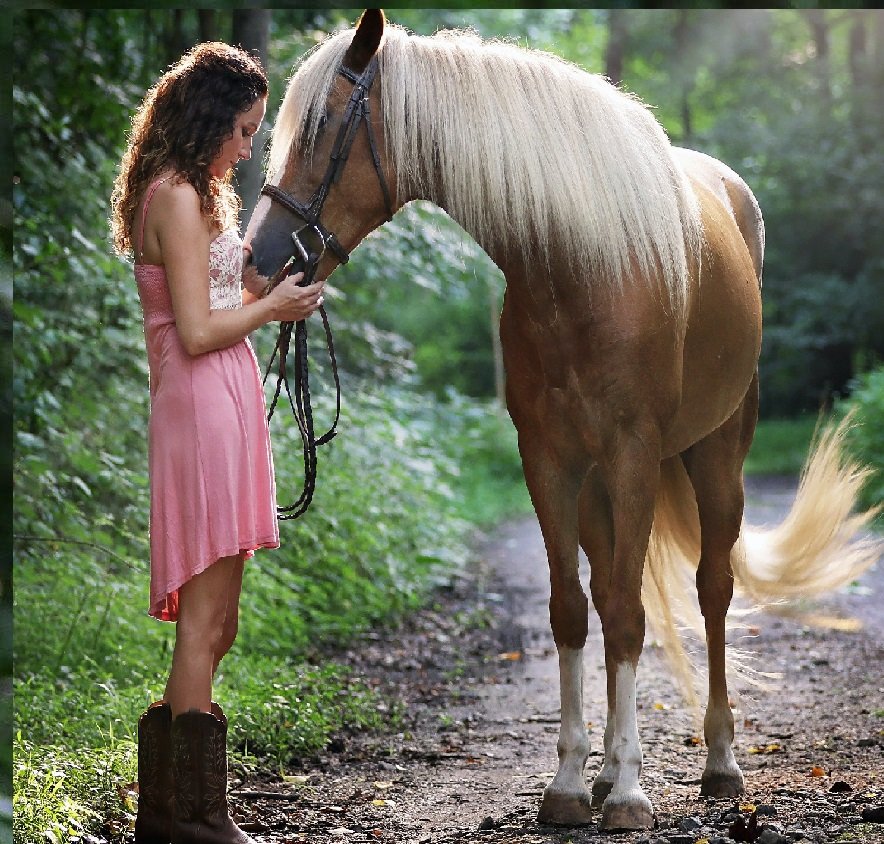
In recent years, deepfake technology has gained traction in various fields, including the financial sector. While most discussions surrounding deepfakes center on their potential negative implications, such as fake news and misinformation, there are also innovative applications that can have a positive impact. One such application is the use of deepfake assets and money transfer for pets. With the rise of digital assets and online transactions, pet owners are increasingly looking for convenient and secure ways to manage their pets' expenses. From veterinary bills to grooming services, the costs associated with pet ownership can add up quickly. This is where deepfake technology comes into play. By utilizing artificial intelligence and deep learning algorithms, pet owners can create digital assets that represent their pets. These assets can be used to securely transfer money for various pet-related expenses. For example, a pet owner can create a deepfake asset of their dog and link it to their digital wallet. When it's time to pay for a vet visit or purchase pet supplies online, the deepfake asset can be used to authorize the transaction. One of the key benefits of using deepfake assets for money transfer is enhanced security. Traditional payment methods, such as credit cards and bank transfers, can be susceptible to fraud and unauthorized access. By leveraging deepfake technology, pet owners can add an extra layer of security to their financial transactions, reducing the risk of identity theft and unauthorized payments. Moreover, deepfake assets allow pet owners to personalize their financial interactions. Instead of using generic payment methods, pet owners can add a touch of creativity and uniqueness by representing their pets in the digital world. This not only adds a fun element to the transaction process but also strengthens the emotional bond between pet owners and their furry companions. As with any emerging technology, there are challenges and considerations to be mindful of when using deepfake assets for money transfer. Privacy concerns, data security, and ethical implications must be carefully addressed to ensure the responsible and safe implementation of this technology. In conclusion, the integration of deepfake assets and money transfer for pets presents a novel approach to managing pet-related expenses in the digital age. By harnessing the power of artificial intelligence, pet owners can streamline financial transactions, enhance security, and add a personalized touch to their interactions. While there are challenges to overcome, the potential benefits of using deepfake assets for money transfer in the pet industry are promising.
Leave a Comment:
SEARCH
Recent News
- Zurich, Switzerland is a vibrant city known for its stunning views, historic landmarks, and cultural events. One of the popular events that attract both locals and visitors alike is singing competitions.
- Zurich, Switzerland is not only known for its picturesque landscapes and vibrant culture but also for its diverse wildlife. While the city may be more commonly associated with its financial sector and luxury shopping, there are some rare and fascinating animals that call Zurich home.
- Hackathons have become a popular way for tech enthusiasts, developers, and innovators to come together and work on creative solutions to various challenges. Zurich, Switzerland, known for its thriving tech scene and innovation hub, has also seen a rise in hackathon competitions in recent years.
- Zurich, Switzerland, is a beautiful city known for its stunning architecture, picturesque landscapes, and rich cultural heritage. However, amidst all the beauty and sophistication, there is also a growing trend of keeping exotic pets in Zurich.
- In recent years, YouTube content creation has exploded in popularity, with creators from all walks of life sharing their talents, interests, and expertise with the world. One popular genre within the YouTube community is singing competitions, where aspiring musicians showcase their vocal abilities in hopes of gaining recognition and support from viewers.
- YouTube Content Creation: Showcasing Rare Animals through Translation
- YouTube Content Creation and Translation Hackathon Competitions
- Exotic pets have been gaining popularity among pet owners in recent years, and YouTube has become a popular platform for content creators to share their experiences with these unique animals. From colorful reptiles to unusual insects, there is no shortage of fascinating exotic pets to feature on YouTube channels.
READ MORE
11 months ago Category :

Zurich, Switzerland is a vibrant city known for its stunning views, historic landmarks, and cultural events. One of the popular events that attract both locals and visitors alike is singing competitions.
Read More →11 months ago Category :

Zurich, Switzerland is not only known for its picturesque landscapes and vibrant culture but also for its diverse wildlife. While the city may be more commonly associated with its financial sector and luxury shopping, there are some rare and fascinating animals that call Zurich home.
Read More →11 months ago Category :

Hackathons have become a popular way for tech enthusiasts, developers, and innovators to come together and work on creative solutions to various challenges. Zurich, Switzerland, known for its thriving tech scene and innovation hub, has also seen a rise in hackathon competitions in recent years.
Read More →11 months ago Category :
