The Fascinating World of Deepfake Colors for Pets
Category : | Sub Category : Posted on 2024-09-07 22:25:23
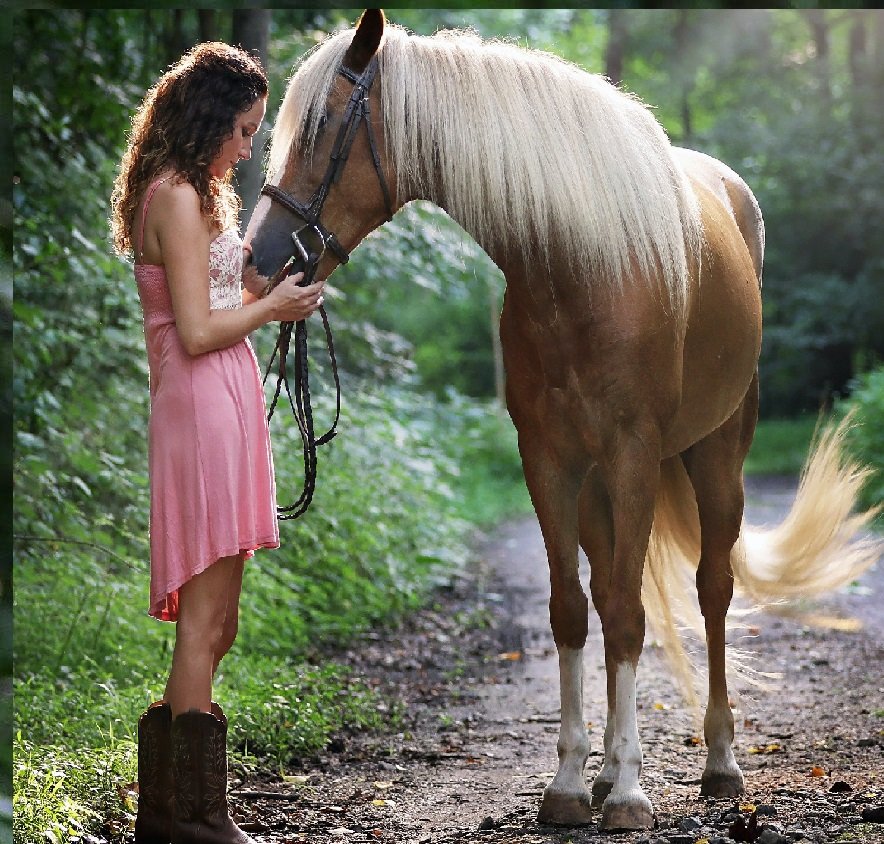
In recent years, deepfake technology has emerged as a powerful tool that can be used for various applications, including altering and manipulating images and videos. One intriguing use of this technology is deepfake coloring for pets, where artificial intelligence is used to transform the colors of animals in photographs or videos. This innovative application has captured the attention of pet owners, artists, and animal lovers around the world. The process of deepfake coloring for pets involves training a deep learning model using a dataset of images of animals with various color combinations. The model then learns to recognize patterns and features in these images, allowing it to generate realistic color modifications for other animals. By inputting a black and white image of a pet into the model, one can obtain a colorized version of the animal that looks strikingly authentic. One of the key benefits of deepfake coloring for pets is the ability to visualize how an animal would look with different coat patterns and colors without actually altering its appearance. This can be particularly useful for breeders, pet owners, and animal enthusiasts who are curious about experimenting with different color variations for their pets. Additionally, deepfake coloring can be a fun and creative way to explore artistic expression and generate visually appealing renditions of beloved animal companions. Moreover, deepfake coloring can serve as a valuable educational tool for studying animal genetics and the inheritance of coat colors in different species. By manipulating the colors of animals using deepfake technology, researchers and students can gain insights into the complex mechanisms underlying color variation in pets and wildlife. As with any technology, there are ethical considerations surrounding the use of deepfake coloring for pets. It is essential to ensure that this technology is employed responsibly and ethically, taking into account the welfare and well-being of the animals involved. Additionally, there may be concerns about the potential misuse of deepfake coloring for misleading purposes or deceptive practices. In conclusion, deepfake coloring for pets offers a fascinating glimpse into the possibilities of artificial intelligence in transforming the way we perceive and interact with animals. Whether used for creative expression, educational purposes, or simple enjoyment, this innovative technology has the potential to revolutionize the world of pet photography and artistry. As the field of deepfake coloring continues to evolve, it will be exciting to see how it shapes our perception of animals and enhances our appreciation for the beauty and diversity of the animal kingdom.
Leave a Comment:
SEARCH
Recent News
- Zurich, Switzerland is a vibrant city known for its stunning views, historic landmarks, and cultural events. One of the popular events that attract both locals and visitors alike is singing competitions.
- Zurich, Switzerland is not only known for its picturesque landscapes and vibrant culture but also for its diverse wildlife. While the city may be more commonly associated with its financial sector and luxury shopping, there are some rare and fascinating animals that call Zurich home.
- Hackathons have become a popular way for tech enthusiasts, developers, and innovators to come together and work on creative solutions to various challenges. Zurich, Switzerland, known for its thriving tech scene and innovation hub, has also seen a rise in hackathon competitions in recent years.
- Zurich, Switzerland, is a beautiful city known for its stunning architecture, picturesque landscapes, and rich cultural heritage. However, amidst all the beauty and sophistication, there is also a growing trend of keeping exotic pets in Zurich.
- In recent years, YouTube content creation has exploded in popularity, with creators from all walks of life sharing their talents, interests, and expertise with the world. One popular genre within the YouTube community is singing competitions, where aspiring musicians showcase their vocal abilities in hopes of gaining recognition and support from viewers.
- YouTube Content Creation: Showcasing Rare Animals through Translation
- YouTube Content Creation and Translation Hackathon Competitions
- Exotic pets have been gaining popularity among pet owners in recent years, and YouTube has become a popular platform for content creators to share their experiences with these unique animals. From colorful reptiles to unusual insects, there is no shortage of fascinating exotic pets to feature on YouTube channels.
READ MORE
11 months ago Category :

Zurich, Switzerland is a vibrant city known for its stunning views, historic landmarks, and cultural events. One of the popular events that attract both locals and visitors alike is singing competitions.
Read More →11 months ago Category :

Zurich, Switzerland is not only known for its picturesque landscapes and vibrant culture but also for its diverse wildlife. While the city may be more commonly associated with its financial sector and luxury shopping, there are some rare and fascinating animals that call Zurich home.
Read More →11 months ago Category :

Hackathons have become a popular way for tech enthusiasts, developers, and innovators to come together and work on creative solutions to various challenges. Zurich, Switzerland, known for its thriving tech scene and innovation hub, has also seen a rise in hackathon competitions in recent years.
Read More →11 months ago Category :
