The Rise of Deepfake Drones as Pets: A Look Into the Future
Category : | Sub Category : Posted on 2024-09-07 22:25:23
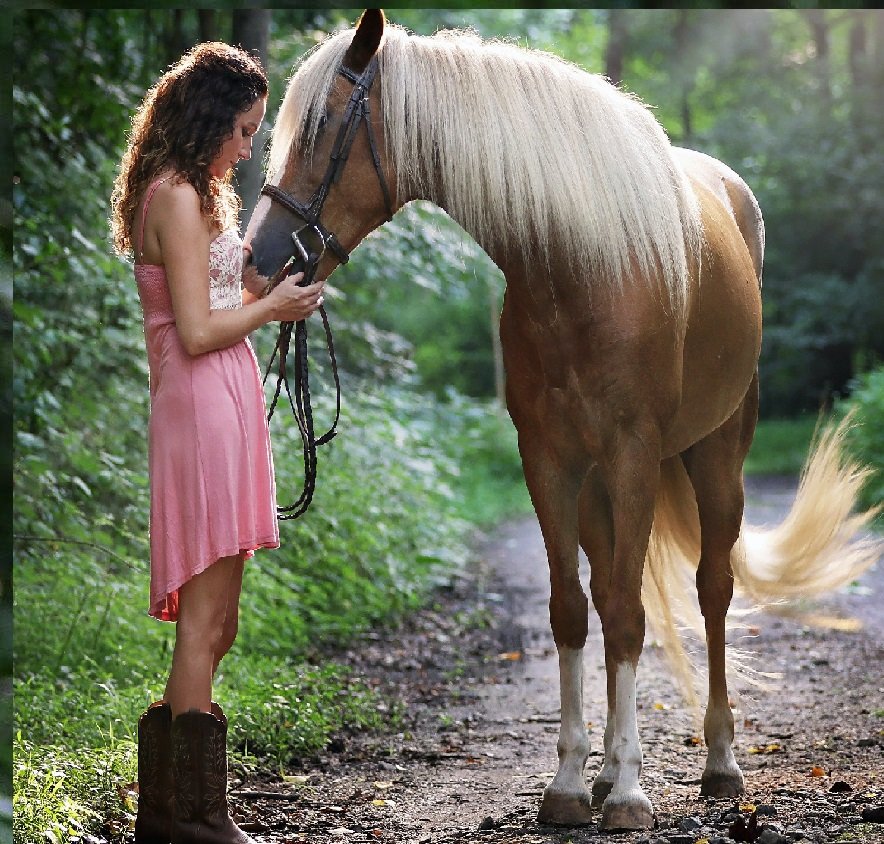
In a world where technology continues to advance at a rapid pace, the concept of deepfake drones as pets is no longer confined to the realm of science fiction. Imagine a future where instead of a traditional furry friend, your companion is a lifelike drone that looks and behaves just like a real animal. This may sound like something out of a dystopian novel, but the reality is that deepfake drones as pets could soon become a common sight in households around the world. Deepfake technology, which uses artificial intelligence to create highly realistic fake videos and images, has gained notoriety in recent years for its potential to deceive and manipulate. While the use of deepfake technology has raised concerns about its implications for privacy and security, it has also sparked a new wave of possibilities in the realm of entertainment and personal companionship. One of the most intriguing applications of deepfake technology is in the creation of lifelike drones that can mimic the appearance and behavior of real animals. These deepfake drones could come in a variety of forms, from robotic dogs and cats to exotic creatures that only exist in the realm of imagination. With advancements in artificial intelligence and robotics, these drones could be programmed to respond to voice commands, exhibit emotions, and even learn and adapt to their environment over time. The appeal of deepfake drones as pets lies in their versatility and adaptability. Unlike real animals, these drones would not require feeding, grooming, or trips to the vet, making them a low-maintenance alternative for pet lovers with busy lifestyles. Additionally, their customizable nature would allow owners to tailor their pets to their preferences, whether they prefer a playful and energetic companion or a calm and soothing presence. However, the rise of deepfake drones as pets also raises ethical considerations and societal implications. As these drones become more lifelike and indistinguishable from real animals, questions may arise about the potential impact on human-animal relationships and the moral implications of treating machines as companions. Moreover, the mass adoption of deepfake drones as pets could have environmental repercussions, as the production and disposal of these devices could contribute to electronic waste and resource depletion. In conclusion, the concept of deepfake drones as pets represents a fascinating intersection of technology, ethics, and human behavior. While the idea of robotic companions may seem futuristic and unconventional, the potential benefits and challenges of integrating deepfake drones into our lives are worth exploring. As we navigate the evolving landscape of artificial intelligence and robotics, only time will tell whether deepfake drones will become the pets of the future or remain a fantastical idea confined to the realms of science fiction.
Leave a Comment:
SEARCH
Recent News
- Zurich, Switzerland is a vibrant city known for its stunning views, historic landmarks, and cultural events. One of the popular events that attract both locals and visitors alike is singing competitions.
- Zurich, Switzerland is not only known for its picturesque landscapes and vibrant culture but also for its diverse wildlife. While the city may be more commonly associated with its financial sector and luxury shopping, there are some rare and fascinating animals that call Zurich home.
- Hackathons have become a popular way for tech enthusiasts, developers, and innovators to come together and work on creative solutions to various challenges. Zurich, Switzerland, known for its thriving tech scene and innovation hub, has also seen a rise in hackathon competitions in recent years.
- Zurich, Switzerland, is a beautiful city known for its stunning architecture, picturesque landscapes, and rich cultural heritage. However, amidst all the beauty and sophistication, there is also a growing trend of keeping exotic pets in Zurich.
- In recent years, YouTube content creation has exploded in popularity, with creators from all walks of life sharing their talents, interests, and expertise with the world. One popular genre within the YouTube community is singing competitions, where aspiring musicians showcase their vocal abilities in hopes of gaining recognition and support from viewers.
- YouTube Content Creation: Showcasing Rare Animals through Translation
- YouTube Content Creation and Translation Hackathon Competitions
- Exotic pets have been gaining popularity among pet owners in recent years, and YouTube has become a popular platform for content creators to share their experiences with these unique animals. From colorful reptiles to unusual insects, there is no shortage of fascinating exotic pets to feature on YouTube channels.
READ MORE
11 months ago Category :

Zurich, Switzerland is a vibrant city known for its stunning views, historic landmarks, and cultural events. One of the popular events that attract both locals and visitors alike is singing competitions.
Read More →11 months ago Category :

Zurich, Switzerland is not only known for its picturesque landscapes and vibrant culture but also for its diverse wildlife. While the city may be more commonly associated with its financial sector and luxury shopping, there are some rare and fascinating animals that call Zurich home.
Read More →11 months ago Category :

Hackathons have become a popular way for tech enthusiasts, developers, and innovators to come together and work on creative solutions to various challenges. Zurich, Switzerland, known for its thriving tech scene and innovation hub, has also seen a rise in hackathon competitions in recent years.
Read More →11 months ago Category :
