Exploring the Impact of Deepfake Technology on Pet Owners: A Technical Communication Perspective
Category : | Sub Category : Posted on 2024-09-07 22:25:23
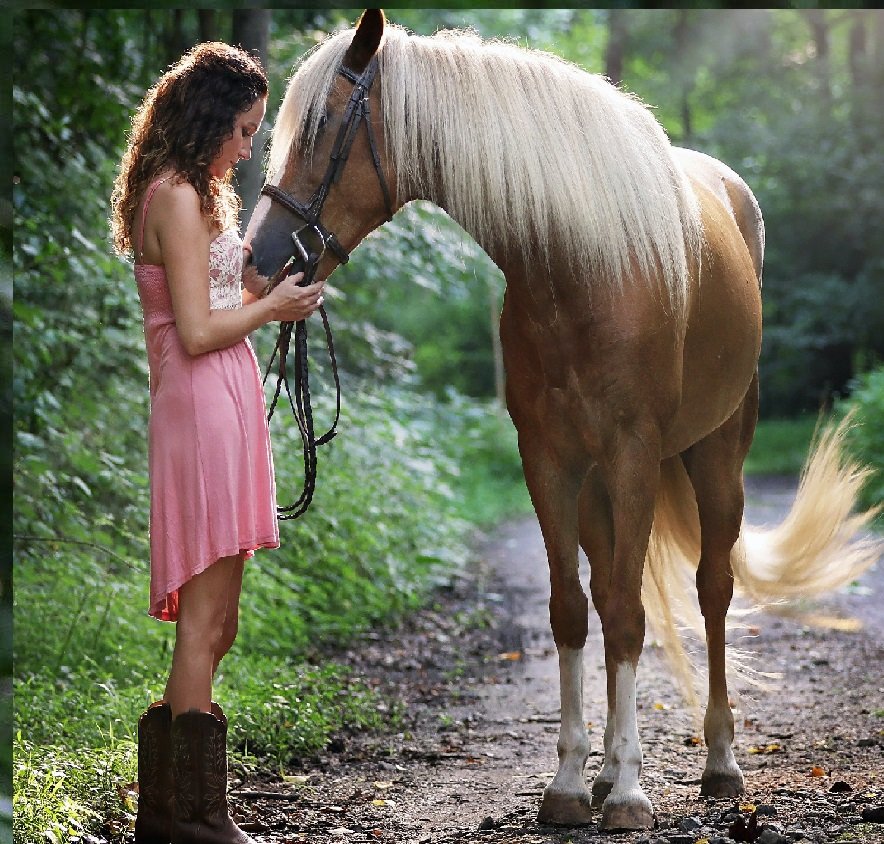
In recent times, deepfake technology has gained significant attention for its ability to manipulate audio and video content to create highly realistic but fake portrayals of individuals. While the implications of deepfake technology on various aspects of society are being widely discussed, one area that has received less attention is its impact on pet owners. In this blog post, we will delve into the intersection of deepfake technology and pets from a technical communication perspective. Deepfake technology relies on algorithms and machine learning to create convincing fake images and videos by superimposing one person's face onto another's body. With the advancement of this technology, it has become increasingly easier to generate lifelike videos or images of pets that may not exist or perform specific actions that they have never done. This raises important ethical questions regarding the dissemination of false information and its potential consequences for pet owners. From a technical communication standpoint, it is crucial to educate pet owners about the existence of deepfake technology and the risks it poses. Pet owners need to be aware that the videos or images they come across online may not always be genuine, and caution should be exercised before believing or sharing such content. As responsible pet owners, it is essential to verify the source and authenticity of any media featuring pets to avoid falling victim to misinformation or manipulation. Furthermore, deepfake technology could have implications for pet influencers and celebrities on social media. As more pet owners document their furry friends' daily lives online, there is a possibility that deepfake technology could be used to create fabricated content featuring popular pets. This poses a threat to the credibility and authenticity of pet influencers, potentially undermining the trust built with their followers. In response to the growing threat of deepfake technology, technical communicators can play a vital role in raising awareness and promoting media literacy among pet owners. By providing clear and accessible information about the risks associated with deepfakes and offering guidance on how to discern genuine content from fake, technical communicators can empower pet owners to navigate the digital landscape confidently. In conclusion, the intersection of deepfake technology and pets presents a new set of challenges for pet owners in the digital age. By fostering a culture of critical thinking and media literacy, pet owners can better protect themselves and their beloved companions from the potential dangers of manipulated content. Technical communicators have a unique opportunity to bridge the gap between technology and pet ownership, ensuring that accurate information prevails in an era of advanced digital manipulation.
Leave a Comment:
SEARCH
Recent News
- Zurich, Switzerland is a vibrant city known for its stunning views, historic landmarks, and cultural events. One of the popular events that attract both locals and visitors alike is singing competitions.
- Zurich, Switzerland is not only known for its picturesque landscapes and vibrant culture but also for its diverse wildlife. While the city may be more commonly associated with its financial sector and luxury shopping, there are some rare and fascinating animals that call Zurich home.
- Hackathons have become a popular way for tech enthusiasts, developers, and innovators to come together and work on creative solutions to various challenges. Zurich, Switzerland, known for its thriving tech scene and innovation hub, has also seen a rise in hackathon competitions in recent years.
- Zurich, Switzerland, is a beautiful city known for its stunning architecture, picturesque landscapes, and rich cultural heritage. However, amidst all the beauty and sophistication, there is also a growing trend of keeping exotic pets in Zurich.
- In recent years, YouTube content creation has exploded in popularity, with creators from all walks of life sharing their talents, interests, and expertise with the world. One popular genre within the YouTube community is singing competitions, where aspiring musicians showcase their vocal abilities in hopes of gaining recognition and support from viewers.
- YouTube Content Creation: Showcasing Rare Animals through Translation
- YouTube Content Creation and Translation Hackathon Competitions
- Exotic pets have been gaining popularity among pet owners in recent years, and YouTube has become a popular platform for content creators to share their experiences with these unique animals. From colorful reptiles to unusual insects, there is no shortage of fascinating exotic pets to feature on YouTube channels.
READ MORE
11 months ago Category :

Zurich, Switzerland is a vibrant city known for its stunning views, historic landmarks, and cultural events. One of the popular events that attract both locals and visitors alike is singing competitions.
Read More →11 months ago Category :

Zurich, Switzerland is not only known for its picturesque landscapes and vibrant culture but also for its diverse wildlife. While the city may be more commonly associated with its financial sector and luxury shopping, there are some rare and fascinating animals that call Zurich home.
Read More →11 months ago Category :

Hackathons have become a popular way for tech enthusiasts, developers, and innovators to come together and work on creative solutions to various challenges. Zurich, Switzerland, known for its thriving tech scene and innovation hub, has also seen a rise in hackathon competitions in recent years.
Read More →11 months ago Category :
