"Improving Technical Communication in the Garden: Essential Tools and Tips for Pet Owners"
Category : | Sub Category : Posted on 2024-09-07 22:25:23
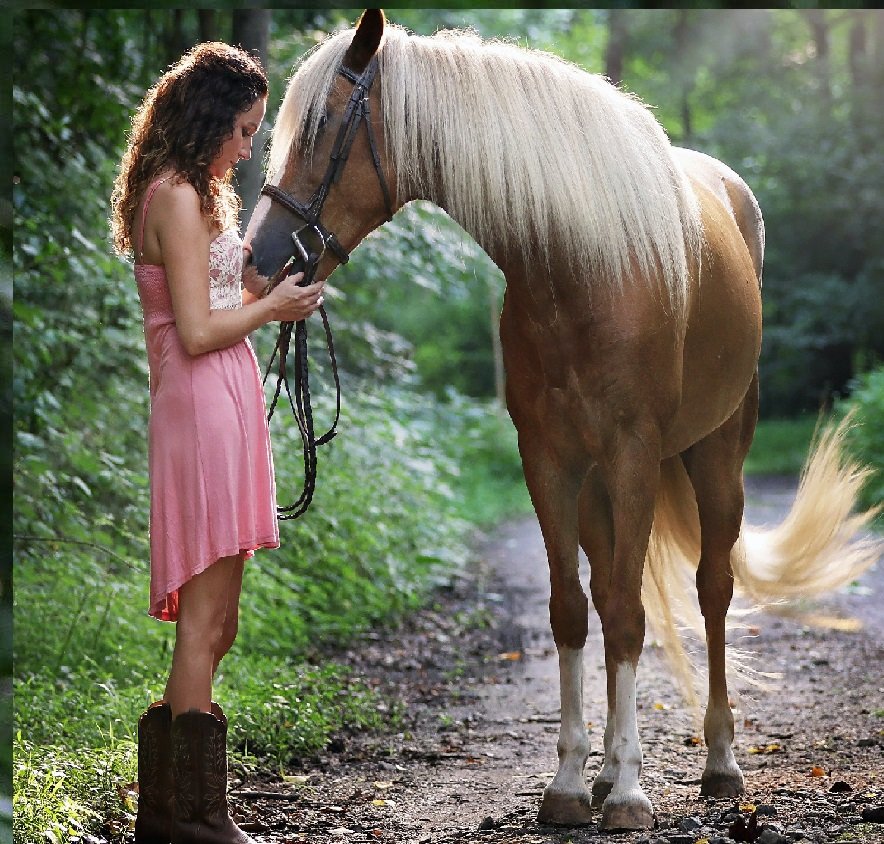
Maintaining a Garden can be a fulfilling pastime, but it can also be a challenging task, especially when you have furry companions around. To ensure a smooth and successful gardening experience, good technical communication skills, the right tools, and knowledge about handling pets while gardening are essential. In this blog post, we will explore how to enhance technical communication in the garden, discuss must-have garden tools, and provide tips for pet owners to enjoy their gardening activities without any hassle. ### Improving Technical Communication in the Garden: 1. **Plan and Organize**: Before starting any gardening project, it is crucial to plan and organize your tasks. Create a gardening calendar outlining what needs to be done each month. This will help you stay on track and manage your garden efficiently. 2. **Labeling**: Proper labeling of plants, tools, and gardening supplies can save you time and prevent confusion. Use waterproof markers or labels to identify different plant species, seedlings, and tools. 3. **Instructional Guides**: Keep handy instructional guides or reference materials for quick troubleshooting. These guides can help you identify plant diseases, pests, and provide solutions for common gardening problems. ### Essential Garden Tools: 1. **Trowel and Hand Pruners**: These basic tools are essential for planting, digging, weeding, and pruning small plants. Invest in high-quality trowels and hand pruners for better precision and efficiency. 2. **Watering Can or Hose**: Proper watering is crucial for plant growth. Choose a watering can with a fine spout for controlled watering or opt for a hose with adjustable settings for larger areas. 3. **Gardening Gloves**: Protect your hands from thorns, cuts, and dirt with durable gardening gloves. Choose gloves that provide a good grip and allow for easy movement. ### Tips for Pet Owners in the Garden: 1. **Secure Boundaries**: Create safe boundaries or designate a separate pet-friendly area in your garden to keep your pets away from harmful plants, chemicals, or sharp tools. 2. **Pet-Friendly Plants**: Choose pet-friendly plants that are non-toxic and safe for your furry companions. Avoid plants like lilies, azaleas, and tulips, which can be toxic to pets if ingested. 3. **Supervision**: Always supervise your pets while they are in the garden to prevent them from digging, chewing on plants, or causing any damage. Provide toys or distractions to keep them entertained. By incorporating efficient technical communication strategies, using the right garden tools, and following pet-friendly practices, you can create a harmonious balance between gardening and pet ownership. Remember to prioritize safety, organization, and proper care to enjoy a thriving garden environment for both you and your beloved pets.
Leave a Comment:
SEARCH
Recent News
- Zurich, Switzerland is a vibrant city known for its stunning views, historic landmarks, and cultural events. One of the popular events that attract both locals and visitors alike is singing competitions.
- Zurich, Switzerland is not only known for its picturesque landscapes and vibrant culture but also for its diverse wildlife. While the city may be more commonly associated with its financial sector and luxury shopping, there are some rare and fascinating animals that call Zurich home.
- Hackathons have become a popular way for tech enthusiasts, developers, and innovators to come together and work on creative solutions to various challenges. Zurich, Switzerland, known for its thriving tech scene and innovation hub, has also seen a rise in hackathon competitions in recent years.
- Zurich, Switzerland, is a beautiful city known for its stunning architecture, picturesque landscapes, and rich cultural heritage. However, amidst all the beauty and sophistication, there is also a growing trend of keeping exotic pets in Zurich.
- In recent years, YouTube content creation has exploded in popularity, with creators from all walks of life sharing their talents, interests, and expertise with the world. One popular genre within the YouTube community is singing competitions, where aspiring musicians showcase their vocal abilities in hopes of gaining recognition and support from viewers.
- YouTube Content Creation: Showcasing Rare Animals through Translation
- YouTube Content Creation and Translation Hackathon Competitions
- Exotic pets have been gaining popularity among pet owners in recent years, and YouTube has become a popular platform for content creators to share their experiences with these unique animals. From colorful reptiles to unusual insects, there is no shortage of fascinating exotic pets to feature on YouTube channels.
READ MORE
11 months ago Category :

Zurich, Switzerland is a vibrant city known for its stunning views, historic landmarks, and cultural events. One of the popular events that attract both locals and visitors alike is singing competitions.
Read More →11 months ago Category :

Zurich, Switzerland is not only known for its picturesque landscapes and vibrant culture but also for its diverse wildlife. While the city may be more commonly associated with its financial sector and luxury shopping, there are some rare and fascinating animals that call Zurich home.
Read More →11 months ago Category :

Hackathons have become a popular way for tech enthusiasts, developers, and innovators to come together and work on creative solutions to various challenges. Zurich, Switzerland, known for its thriving tech scene and innovation hub, has also seen a rise in hackathon competitions in recent years.
Read More →11 months ago Category :
