Enhancing Community Bonding Through Urdu Community Gardens and Pet-Friendly Tools
Category : | Sub Category : Posted on 2024-09-07 22:25:23
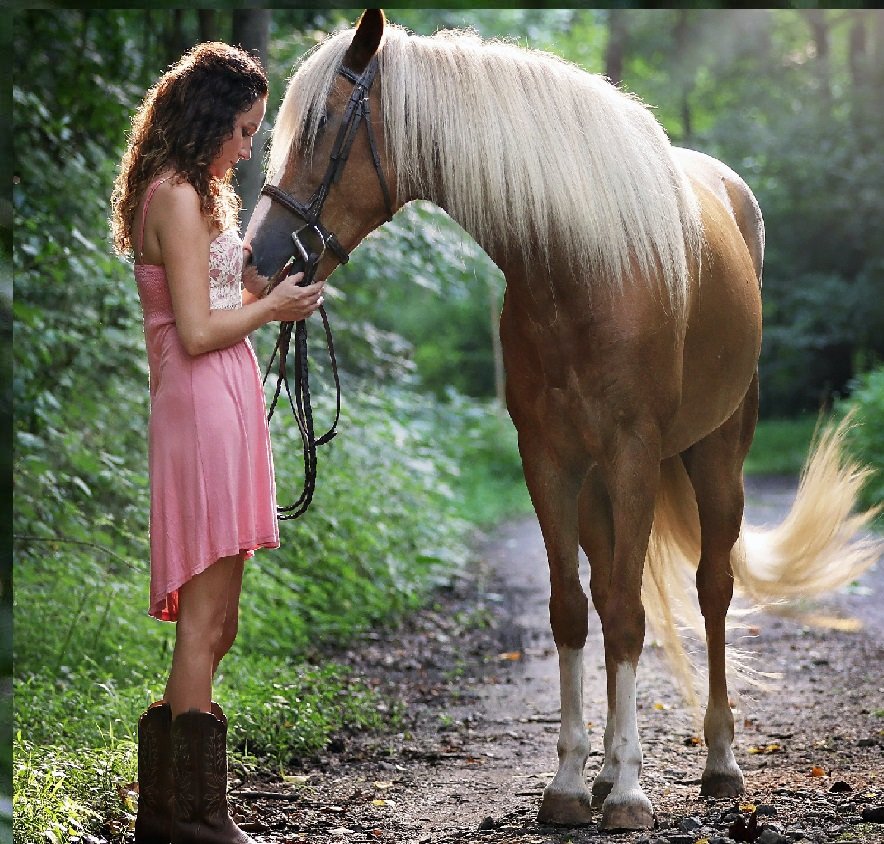
Community gardens are a wonderful way to bring people together, foster a sense of togetherness, and promote sustainable living. In Urdu-speaking communities, these gardens play an even more significant role as they provide a space for individuals to connect with their roots and cultivate a sense of belonging. As Urdu is a language that holds deep cultural and emotional significance for its speakers, having community gardens where Urdu-speaking individuals can come together to grow plants, fruits, and vegetables adds a layer of cultural enrichment to the experience. These gardens serve as a platform for sharing traditional gardening practices, exchanging recipes, and celebrating cultural festivals that hold importance in the Urdu community. To enhance the experience of tending to community gardens, incorporating pet-friendly tools can further amplify the sense of inclusivity and connection among participants. pets are an integral part of many households within Urdu communities, and allowing them to accompany their owners to the garden creates a welcoming and comfortable environment for all members of the community. Pet-friendly garden tools such as lightweight shovels, elevated raised beds to keep pets out of the garden beds, and non-toxic pest control solutions ensure that both plants and pets can coexist harmoniously in the garden space. Additionally, creating designated pet-friendly areas within the gardens where pets can play and socialize adds a layer of convenience for pet owners while ensuring the safety and well-being of the pets and the plants. Moreover, involving pets in community garden activities can serve as a bonding experience for both humans and animals. It promotes outdoor play, exercise, and mental stimulation for pets, while allowing gardeners to enjoy the companionship and joy that pets bring to their gardening endeavors. In conclusion, Urdu community gardens serve as a cultural hub that fosters connection, sharing, and growth within the community. By incorporating pet-friendly tools and practices, these gardens can become even more inclusive and welcoming spaces for individuals to come together, nurture their plants, and strengthen their bonds with both their cultural heritage and their furry companions. More about this subject in https://www.uurdu.com Discover new insights by reading https://www.tknl.org
Leave a Comment:
SEARCH
Recent News
- Zurich, Switzerland is a vibrant city known for its stunning views, historic landmarks, and cultural events. One of the popular events that attract both locals and visitors alike is singing competitions.
- Zurich, Switzerland is not only known for its picturesque landscapes and vibrant culture but also for its diverse wildlife. While the city may be more commonly associated with its financial sector and luxury shopping, there are some rare and fascinating animals that call Zurich home.
- Hackathons have become a popular way for tech enthusiasts, developers, and innovators to come together and work on creative solutions to various challenges. Zurich, Switzerland, known for its thriving tech scene and innovation hub, has also seen a rise in hackathon competitions in recent years.
- Zurich, Switzerland, is a beautiful city known for its stunning architecture, picturesque landscapes, and rich cultural heritage. However, amidst all the beauty and sophistication, there is also a growing trend of keeping exotic pets in Zurich.
- In recent years, YouTube content creation has exploded in popularity, with creators from all walks of life sharing their talents, interests, and expertise with the world. One popular genre within the YouTube community is singing competitions, where aspiring musicians showcase their vocal abilities in hopes of gaining recognition and support from viewers.
- YouTube Content Creation: Showcasing Rare Animals through Translation
- YouTube Content Creation and Translation Hackathon Competitions
- Exotic pets have been gaining popularity among pet owners in recent years, and YouTube has become a popular platform for content creators to share their experiences with these unique animals. From colorful reptiles to unusual insects, there is no shortage of fascinating exotic pets to feature on YouTube channels.
READ MORE
11 months ago Category :

Zurich, Switzerland is a vibrant city known for its stunning views, historic landmarks, and cultural events. One of the popular events that attract both locals and visitors alike is singing competitions.
Read More →11 months ago Category :

Zurich, Switzerland is not only known for its picturesque landscapes and vibrant culture but also for its diverse wildlife. While the city may be more commonly associated with its financial sector and luxury shopping, there are some rare and fascinating animals that call Zurich home.
Read More →11 months ago Category :

Hackathons have become a popular way for tech enthusiasts, developers, and innovators to come together and work on creative solutions to various challenges. Zurich, Switzerland, known for its thriving tech scene and innovation hub, has also seen a rise in hackathon competitions in recent years.
Read More →11 months ago Category :
